Paris is undeniably one of the world's premier cultural capitals, drawing millions of visitors annually to admire its permanent collections, from the Mona Lisa at the Louvre to the Impressionist masterpieces at the Musée d'Orsay. However, the true heartbeat of the Parisian art scene often lies within its rotating roster of special exhibitions, which offer unique perspectives, rare loans from global institutions, and thematic deep dives that you cannot see anywhere else. For any traveler planning a trip in early 2026, understanding how to navigate these temporary shows is just as important as knowing which Metro line to take. These events transform a standard museum visit into a once-in-a-lifetime experience, but they require a different level of planning and awareness than a spontaneous walk through a gallery.
Why Special Exhibitions Are Worth the Extra Effort
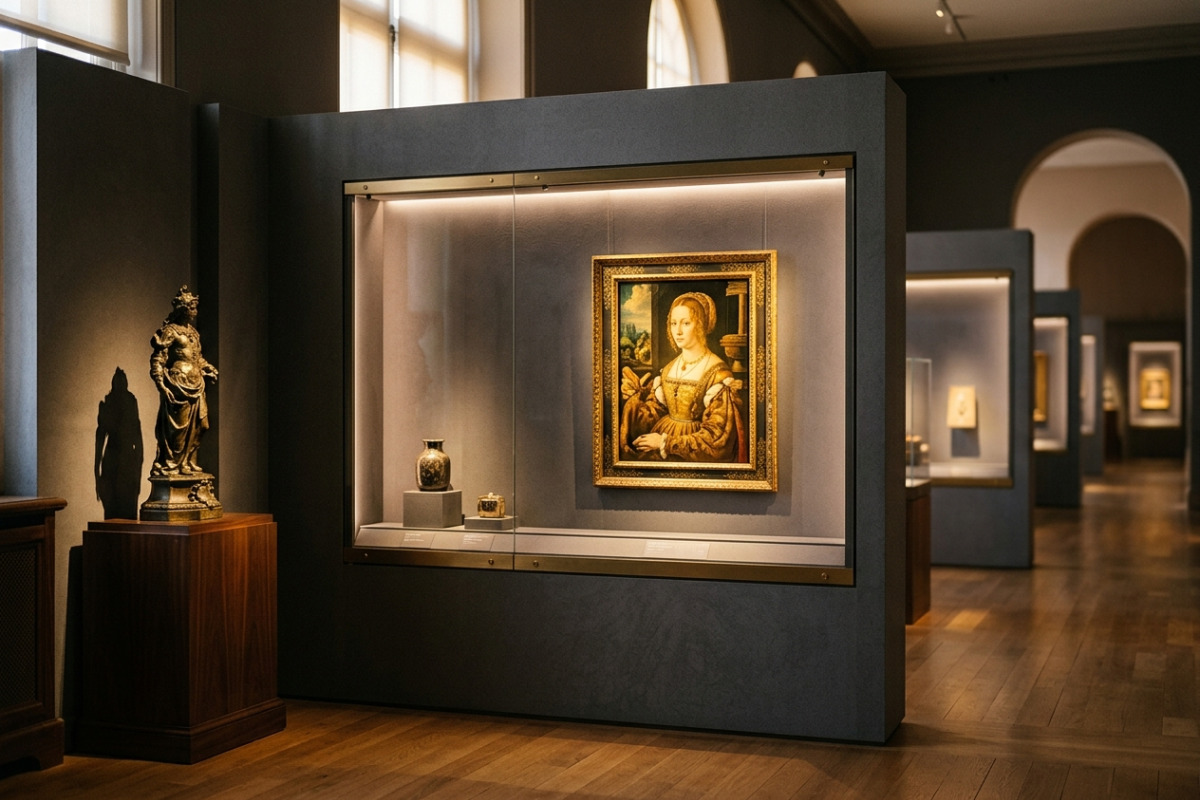
While permanent collections are static and reliable, special exhibitions are fleeting and dynamic, often bringing together works that have never hung side-by-side before. Curators spend years organizing these events, securing loans from private collectors and international museums to tell a specific story or explore a niche period in an artist's life. Attending these shows allows you to witness scholarly breakthroughs and fresh artistic dialogues that redefine how we understand art history. Furthermore, the scenography and lighting in temporary exhibitions are frequently more dramatic and experimental than in the permanent halls, creating an immersive atmosphere that engages the senses. If you are visiting Paris in January 2026 or later this year, prioritizing these limited-time events ensures you are seeing the city's culture at its most vibrant and current.
How to Stay Informed About Upcoming Shows
Finding out what is on display during your travel dates can sometimes feel overwhelming due to the sheer volume of museums in the French capital. Relying solely on guidebooks is often insufficient because exhibition schedules change, and dates can be extended or cut short based on popularity or logistics. To build a reliable itinerary, you need to consult digital resources that are updated in real-time. The most effective strategy involves checking a combination of official museum channels and dedicated cultural aggregators that track the city’s pulse.
- Official Museum Websites: This is your primary source of truth; major institutions like the Centre Pompidou or the Grand Palais publish their calendars months in advance.
- Cultural Agendas: Websites like 'L'Officiel des spectacles' or 'Pariscope' are legendary among locals for listing everything from major blockbusters to small gallery openings.
- Social Media Channels: Follow the Instagram or Facebook accounts of specific museums, as they often post behind-the-scenes content and alerts about ticket availability.
- Tourism Board Newsletters: The Paris 'Office de Tourisme' sends out curated lists of highlights that are particularly useful for English-speaking visitors.
Navigating Tickets and Time Slots
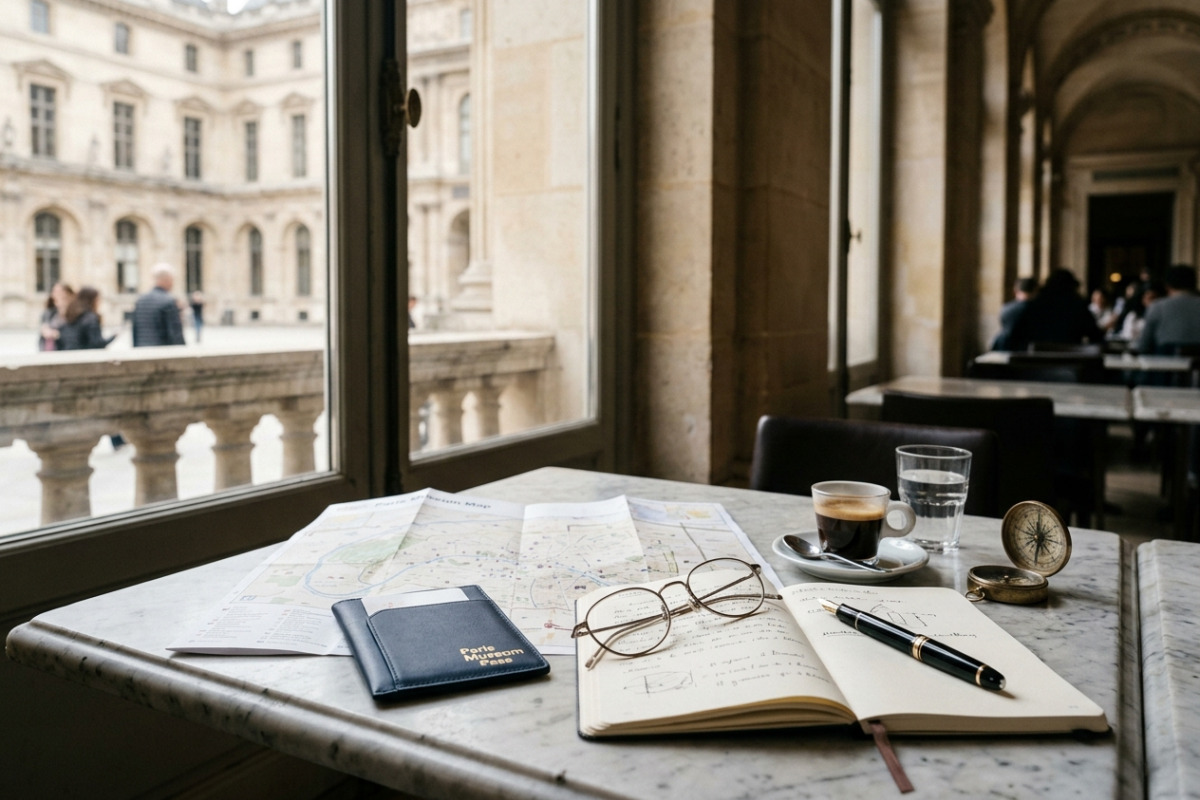
Gone are the days when you could simply walk up to a ticket counter for a high-profile exhibition and expect to get in immediately. In the post-2020 travel landscape, and continuing into 2026, pre-booking is not just recommended; it is often mandatory for special exhibitions. These shows almost always operate on a strict time-slot basis to control crowd flow and protect the artwork. Even if you hold a museum pass or are eligible for free entry (such as EU residents under 26), you usually still need to reserve a specific entry time online for temporary shows.
It is crucial to book your tickets as soon as your travel dates are confirmed, especially for blockbuster shows at the Louvre or the Musée d'Orsay, which can sell out weeks in advance. When booking, pay close attention to the ticket type; some general admission tickets do not include access to the temporary exhibition, requiring a separate or combined ticket. Always download your tickets to your smartphone before you arrive, as internet connectivity can sometimes be spotty inside historic stone buildings.
Categorizing Paris Museums for Your Interests
To help you decide which special exhibitions to prioritize, it is helpful to understand the general focus of the major institutions. Paris offers a diverse array of venues, each catering to different artistic tastes and historical periods. The following table breaks down what you can typically expect from the city's leading cultural hubs.
| Museum Name | Primary Focus | Typical Special Exhibition Themes |
| Musée du Louvre | Antiquity to 1848 | Major historical retrospectives, archaeology, and classical masters like Da Vinci or Michelangelo. |
| Musée d'Orsay | 1848 to 1914 | Impressionism, Post-Impressionism, Art Nouveau, and the dawn of modern cinema or photography. |
| Centre Pompidou | Modern & Contemporary | Avant-garde movements, large-scale installations, surrealism, and living artists. |
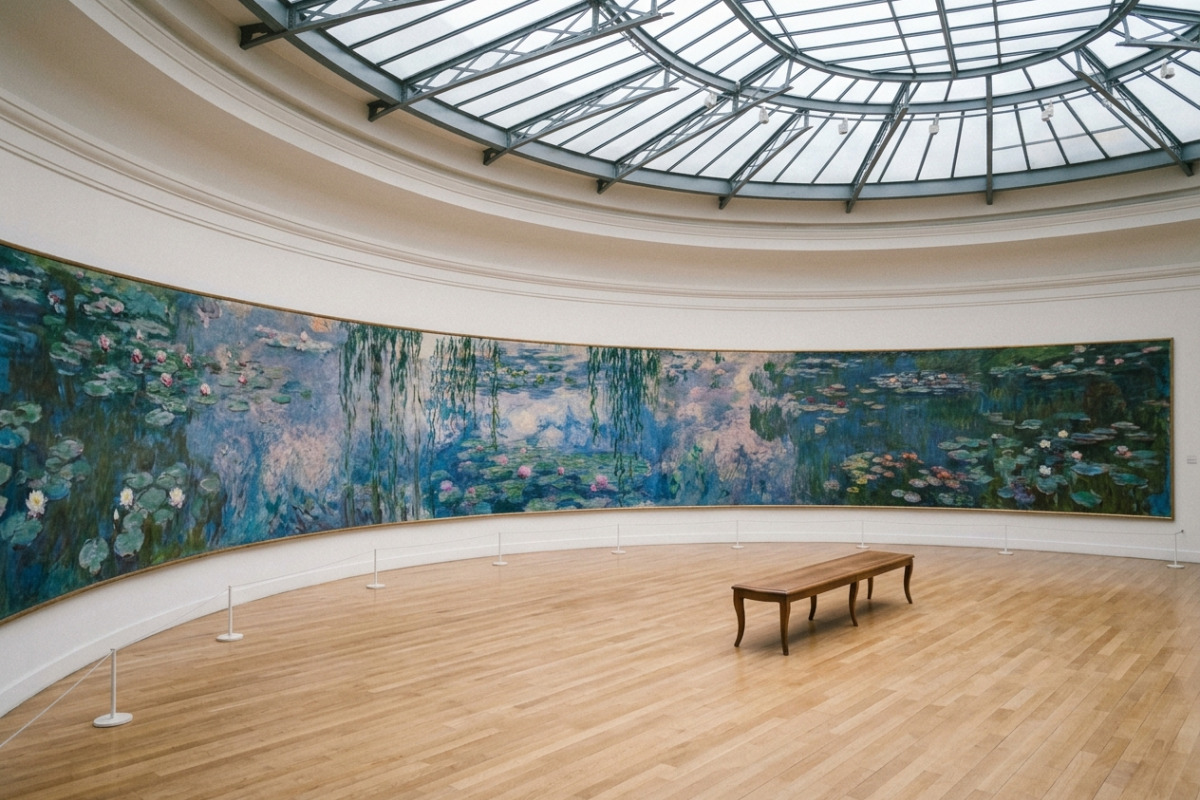
| Musée de l'Orangerie | Impressionist & Post-Impressionist | Focused dialogues between artists (e.g., Monet vs. Mitchell) and early 20th-century movements. |
| Palais Galliera | Fashion & History | Retrospectives of legendary designers (Chanel, Dior) and the evolution of garments. |
What to Expect During Your Visit
Once you have secured your spot, knowing what to expect on the day of your visit can ensure a smooth experience. Special exhibitions tend to be more crowded than the rest of the museum, so be prepared for a slower pace as visitors linger over descriptions and artworks. Security checks are thorough at all major Paris museums, so travel light; large bags and suitcases are generally not permitted in the cloakrooms of temporary exhibition halls. Additionally, temperature and humidity controls are strictly monitored in these spaces to preserve delicate loans, so bringing a light layer or scarf is advisable even in warmer months.
Audio Guides and Interpretation
Most special exhibitions offer dedicated audio guides that are separate from the museum’s standard permanent collection guide. These are highly recommended as they often feature commentary from the curators themselves, providing context that wall text simply cannot convey. In recent years, many museums have moved toward smartphone apps rather than physical hardware rental. Before you leave your hotel, check if the museum has an app you can download to save time and battery life upon arrival.
Insider Tips for a Better Experience
To truly enjoy the art without the stress of shoulder-to-shoulder crowds, timing is everything. One of the best secrets for visiting special exhibitions is to take advantage of the "Nocturnes" or late-night openings. Many museums, including the Louvre and the Musée d'Orsay, stay open late one or two evenings a week, often until 9:45 PM. The atmosphere during these hours is calmer, more intimate, and often populated by locals rather than large tour groups. Another strategy is to book the very first time slot of the morning or the last slot of the day, allowing you to view the works with fewer obstructions.
Finally, do not overlook the smaller institutions. While the giants draw the headlines, museums like the Musée Marmottan Monet, the Musée du Luxembourg, or the Petit Palais host world-class exhibitions that are often easier to access. These venues provide a more relaxed environment where you can appreciate the art at your own pace. By staying informed, booking ahead, and choosing the right time to visit, you can unlock the rich tapestry of temporary art shows that make Paris a perpetual feast for the mind and soul.