Paris is a city that demands to be felt as much as it is seen. From the misty mornings along the Seine to the golden glow of streetlamps reflecting off Haussmann architecture, the atmosphere is intoxicating. However, for the eager traveler, the City of Light can also present a logistical challenge. With centuries of art, history, and culture packed into its twenty arrondissements, the sheer number of ticket lines and entry fees can quickly become overwhelming. This is where the Paris Museum Pass enters the conversation, promising a seamless key to the city’s most prestigious doors. But does it truly deliver on its promise of convenience and savings, or is it just another tourist expense?
Understanding the utility of this pass requires looking beyond the brochure and examining how it fits into a real-world itinerary. For some, it is the golden ticket that unlocks an efficient cultural marathon; for others, it might become a source of unnecessary pressure to rush through masterpieces. As we navigate the travel landscape of 2026, where digital integration and time management are more crucial than ever, evaluating the pass involves weighing the balance between spontaneity and structure. Let's dive deep into the mechanics of the Paris Museum Pass to determine if it belongs in your pocket during your next Parisian adventure.
What Exactly is the Paris Museum Pass?
The Paris Museum Pass is essentially a prepaid entry card that grants travelers access to over 50 museums and monuments within Paris and the surrounding Île-de-France region. It is designed to simplify the visitor experience by eliminating the need to purchase individual tickets for each attraction. Available in three distinct durations—2 days (48 hours), 4 days (96 hours), and 6 days (144 hours)—the pass operates on a consecutive hour basis. This means the clock starts ticking the moment you scan it at your first attraction and continues regardless of whether you are using it or sleeping, making strategic planning essential.
Unlike standard city passes that might include transportation or hop-on-hop-off bus tours, this specific pass is laser-focused on culture and heritage. It covers the heavy hitters of the art world as well as hidden historical gems that many tourists might otherwise overlook due to ticket costs. Whether you opt for a physical card or the increasingly popular mobile e-ticket, the function remains the same: it serves as a master key to the cultural heart of France, encouraging visitors to explore more freely without constantly reaching for their wallets at every entrance.
Analyzing the Key Benefits
The Potential for Significant Cost Savings
The most immediate appeal of the pass is the financial advantage, provided you are an active sightseer. The logic is simple: the more you visit, the more value you extract. For a traveler planning to visit only one or two sites a day, the pass might break even or cost slightly more than individual tickets. However, for the ambitious explorer aiming to check off three or four major sites daily, the savings accumulate rapidly. By bundling the entrance fees into a single upfront cost, you effectively cap your spending on cultural activities, leaving more of your budget available for that extra glass of wine or a decadent pastry in Le Marais.
Time Efficiency and skipping the Lines
Time is often the most scarce resource during a vacation, and standing in ticket queues is arguably the worst way to spend it. The Paris Museum Pass is famous for its "skip-the-line" benefit, though it is important to manage expectations regarding what this actually means. While pass holders can bypass the long lines at ticket counters, they are still subject to mandatory security checks, which are strictly enforced across France. In major hubs like the Louvre or Versailles, everyone waits for security. However, once past security, having the pass allows you to breeze past the ticket booths, potentially saving hours over the course of a trip, especially during peak tourist seasons.
Flexibility and Discovery
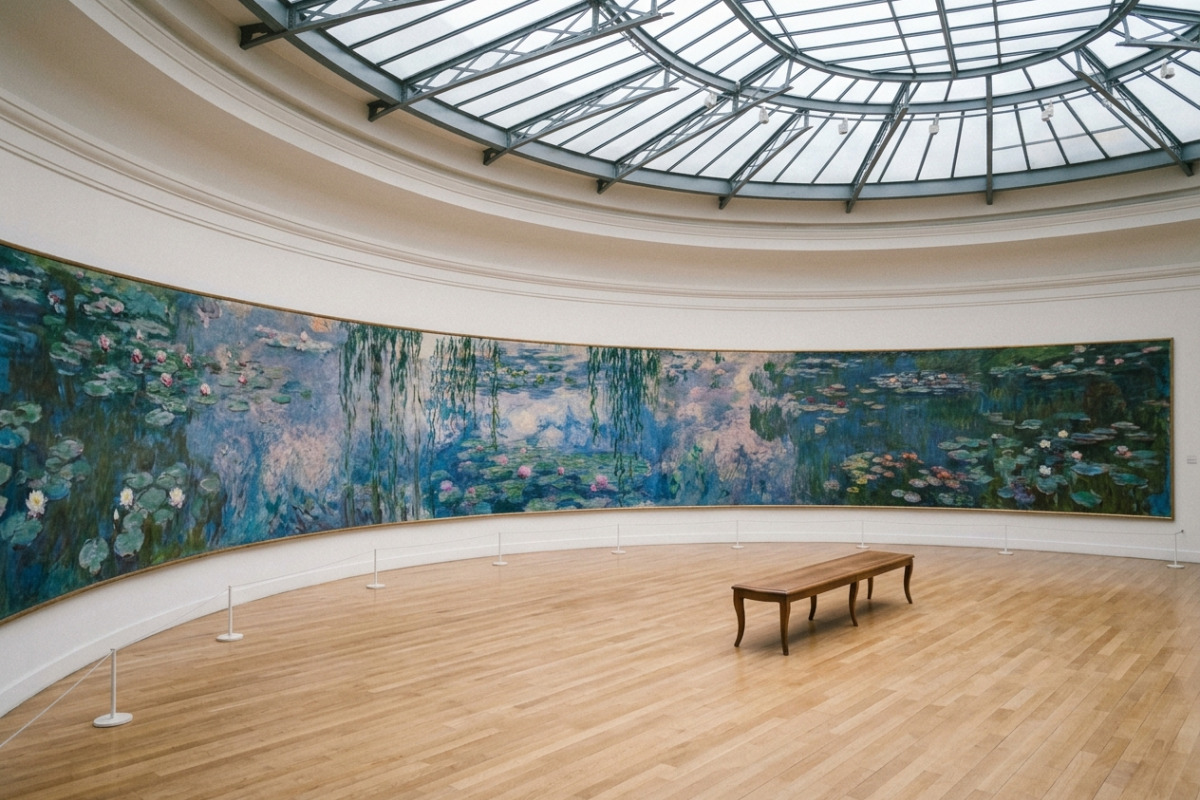
One of the underrated benefits of holding the pass is the psychological freedom it grants. Without the barrier of an entry fee, you are more likely to pop into smaller, less famous museums that you might have skipped otherwise. You can visit the Musée de l'Orangerie just to see Monet's water lilies for twenty minutes without feeling guilty about the ticket price, or step into the Conciergerie for a quick look at Marie Antoinette’s cell. This encourages a more fluid, spontaneous style of travel where you can take risks on unknown attractions, often leading to the most memorable discoveries of your trip.
What Is Included? A Quick Look
The pass covers an extensive list of sites, but most travelers focus on the "Big Four" and a few secondary sites. It is crucial to know that the Eiffel Tower is not included in this pass, a common misconception that catches many off guard. However, the list of inclusions is still staggering. To help you visualize the value, here is a breakdown of some top-tier inclusions categorized by interest:
| Attraction Name | Category | Why It's Essential |
| The Louvre Museum | Art & History | Home to the Mona Lisa and thousands of years of human history. |
| Palace of Versailles | Royal History | The ultimate symbol of French royal opulence and gardens. |
| Musée d'Orsay | Impressionist Art | Houses the world's largest collection of Impressionist and post-Impressionist masterpieces. |
| Arc de Triomphe | Monument/View | Offers one of the best panoramic views of the Paris skyline, including the Eiffel Tower. |
| Sainte-Chapelle | Architecture | Famous for its breathtaking stained glass windows depicting biblical scenes. |
| Centre Pompidou | Modern Art | A hub for modern and contemporary art with unique industrial architecture. |
Is the Pass Right for You?
The "Culture Vulture" Traveler
If your ideal day in Paris involves waking up early to hit the museums and staying out until the galleries close, this pass is unequivocally designed for you. Travelers who thrive on high-energy itineraries and want to soak up as much history as possible will find the pass to be an indispensable tool. It removes the friction of buying tickets and incentivizes a packed schedule. If you plan to visit the Louvre, Versailles, and the Arc de Triomphe within a short window, the pass pays for itself quickly, making it a smart investment for the dedicated sightseer.
The "Slow Travel" Enthusiast
Conversely, if you prefer to linger over a café au lait for three hours, stroll aimlessly through the Tuileries Garden, or spend an entire afternoon in a single museum, the pass might induce unnecessary stress. The "consecutive hour" rule means the clock is always ticking. If you feel compelled to rush through the Musée d'Orsay just to get your money's worth before heading to the next stop, you might sacrifice the quality of your experience for quantity. For those who prefer a relaxed pace, buying individual tickets might offer better value and peace of mind.
Crucial Considerations for 2026
The travel landscape has evolved, and holding a pass does not always guarantee immediate entry. The most critical factor to remember is the requirement for time-slot reservations. Major attractions like the Louvre and the Palace of Versailles now require all visitors, including pass holders, to book a specific entry time online in advance. This means you cannot simply show up with your pass and walk in whenever you please. Failing to book these slots can result in being turned away, rendering the pass useless for that specific site. Therefore, purchasing the pass is only step one; planning and reserving your slots is step two.
- Check Closing Days: Many museums in Paris are closed on either Mondays or Tuesdays. If you activate a 2-day pass on a Monday, you might find your options significantly limited.
- EU Residents Under 26: If you are a citizen or long-term resident of an EU country and are under 26 years old, most national museums are already free for you. In this case, the pass is completely unnecessary.
- The "Break-Even" Point: Generally, you need to visit at least 4 to 5 major paid attractions to make the 2-day pass worth the cost. Do the math based on your personal wishlist before purchasing.
Beyond the Big Four: Hidden Gems Accessible with the Pass
While the Louvre, Versailles, Musée d'Orsay, and Arc de Triomphe often steal the spotlight, the Paris Museum Pass unlocks access to a wealth of lesser-known, yet equally captivating, attractions. Exploring these hidden gems can provide a more intimate and authentic Parisian experience. Consider these options:
- Musée Rodin: Discover the sculptures of Auguste Rodin, including "The Thinker" and "The Kiss," in a beautiful mansion and garden setting.
- Musée Picasso: Delve into the world of Pablo Picasso with a comprehensive collection of his paintings, sculptures, drawings, and engravings.
- The Panthéon: Pay homage to France's most celebrated figures, including Voltaire, Rousseau, and Marie Curie, in this neoclassical monument.
- Conciergerie: Step back in time and explore this former royal palace and prison, where Marie Antoinette was held before her execution.
- Musée du Quai Branly - Jacques Chirac: Explore indigenous art and cultures from around the world in this architecturally stunning museum.
Tips for Maximizing Your Paris Museum Pass in 2026
To ensure you get the most out of your Paris Museum Pass, consider these additional tips:
- Plan Your Itinerary in Advance: Research the museums and monuments you want to visit and create a realistic itinerary. Factor in travel time, opening hours, and time-slot reservation requirements.
- Book Time-Slot Reservations Early: As soon as you purchase your pass, book your time-slot reservations for popular attractions like the Louvre and Versailles. Slots can fill up quickly, especially during peak season.
- Consider Transportation Options: While the Paris Museum Pass doesn't include transportation, consider purchasing a Paris Visite travel pass for unlimited travel on the city's metro, bus, and RER networks. This can save you time and money on transportation.
- Download the Museum Pass App: Check if the Paris Museum Pass has a dedicated app. These apps often provide useful information about included attractions, opening hours, and directions.
- Take Advantage of Evening Openings: Many museums in Paris offer evening openings, which can be a great way to avoid crowds and experience the art in a different light.
The Final Verdict
Ultimately, the Paris Museum Pass is a tool, and like any tool, its value depends on how you use it. It is not a magic wand that solves every travel logistical problem, but for the right type of traveler, it is a powerful asset. It rewards the organized, the energetic, and the hungry-for-culture. It offers a sense of freedom once you are inside the network of museums, allowing you to hop from the Middle Ages at the Cluny Museum to the modern era at the Pompidou Centre without a second thought.
If you are visiting Paris for the first time and want to see the highlights efficiently, the pass is likely a resounding "yes." It streamlines the process and motivates you to see the best the city has to offer. However, if you are returning to Paris to soak up the ambiance or only have one specific museum in mind, you are better off skipping the pass and enjoying the city at your own unhurried rhythm. Whichever path you choose, let the art and history of Paris move you—that is an experience that no ticket price can define.