Paris is often romanticized as a city frozen in time, where history whispers from every cobblestone and Haussmann facade. However, for the culturally curious traveler, the City of Light offers a dynamic energy that transcends static exhibits and silent galleries. The museums of Paris are not just guardians of antiquity; they are active participants in the city’s vibrant cultural calendar, hosting festivals that blend art, music, cinema, and performance. Stepping into a Parisian museum during a festival is akin to watching a painting come to life; the atmosphere shifts from reverent observation to immersive participation, allowing visitors to experience the French capital's heritage in an entirely new and exhilarating light.
Throughout the year, these institutions throw open their doors to host events that celebrate the intersection of different art forms. Whether it is the hauntingly beautiful acoustics of a cello concert within a medieval hall or the avant-garde projections lighting up a Renaissance courtyard, these festivals offer a unique lens through which to view the city's treasures. As we move through 2026, the calendar is punctuated with these extraordinary moments where the barrier between the viewer and the art dissolves, inviting a deeper, more emotional connection with the cultural tapestry of France.
The Enchantment of La Nuit Européenne des Musées
One of the most anticipated events in the Parisian cultural diary is the European Night of Museums, typically held in late spring (usually in May). During this magical evening, museums across the city remain open until midnight, often free of charge, transforming the visitor experience into something dreamlike and surreal. The natural light of day is replaced by dramatic artificial lighting or, in some cases, the soft glow of flashlights, casting long shadows on marble statues and illuminating oil paintings with a flickering intimacy that is impossible to replicate during regular hours. It is an invitation to wander through the Louvre or the Musée d'Orsay not as a tourist ticking off a checklist, but as a nocturnal explorer uncovering secrets in the dark.
Beyond the novelty of late-night access, this festival is renowned for its special programming designed to engage diverse audiences. Museums frequently collaborate with contemporary artists to create site-specific installations, dance performances, and theatrical readings that dialogue with the permanent collections. You might find a modern ballet troupe performing amidst the classical sculptures of the Musée Rodin, or a digital art projection mapping the history of the universe onto the ceiling of the Grand Palais. These interventions bridge the gap between the historical and the contemporary, proving that heritage is a living, evolving entity rather than a relic of the past.
Interactive Experiences and Workshops
The Night of Museums is also a fantastic opportunity for hands-on cultural immersion. Many institutions organize workshops ranging from sketching classes in front of masterpieces to storytelling sessions for families. These activities break down the perceived elitism of high art, making culture accessible and enjoyable for everyone. The atmosphere is festive and communal, with locals and travelers mingling in the courtyards, sharing thoughts on the exhibitions, and enjoying the electric vibe that permeates the city after sundown. To make the most of your visit, check the official website of the Nuit Européenne des Musées a few weeks beforehand for a detailed program of events and participating museums. Booking in advance for specific workshops is often recommended, as spaces can fill up quickly.
Melodies Among Masterpieces: Fête de la Musique
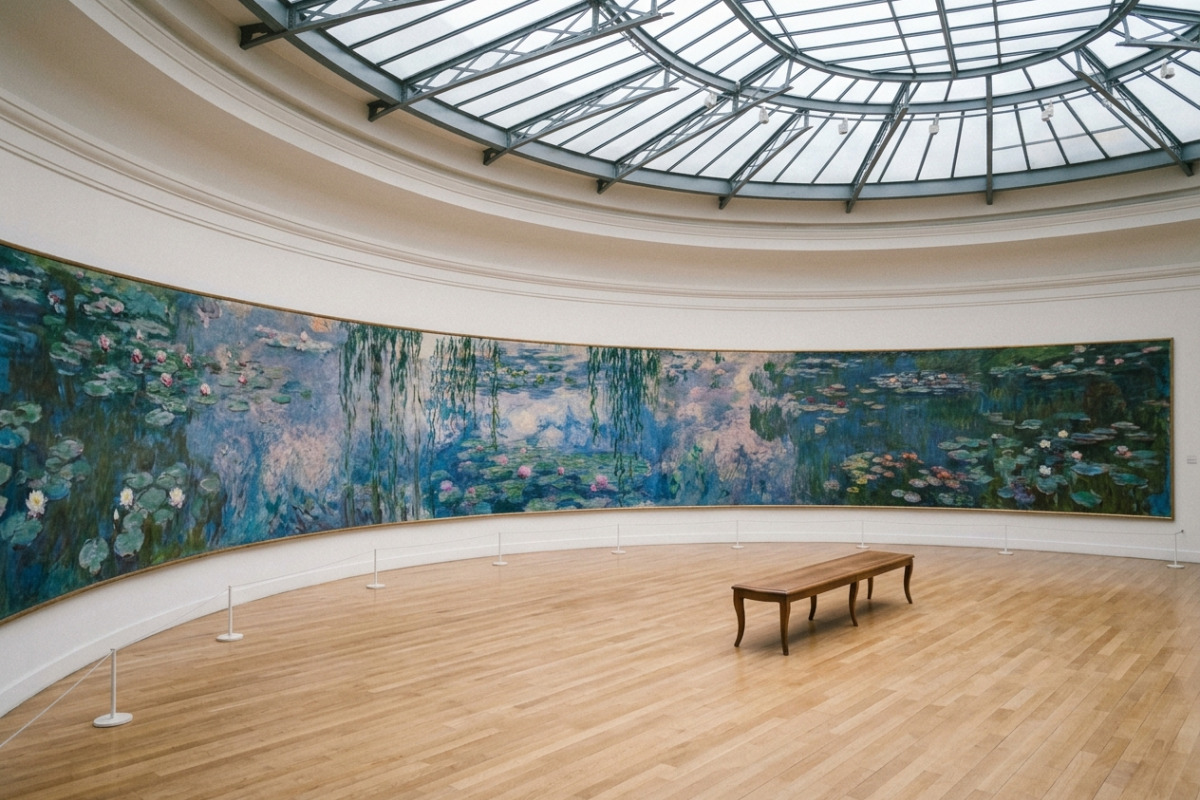
While the Fête de la Musique is a city-wide celebration that takes over every street corner in Paris every June, the museums offer a more curated and acoustically refined experience. Escaping the raucous energy of the street parties, visitors can retreat into the sanctuaries of art to enjoy high-caliber musical performances. The synergy between visual art and music creates a multi-sensory experience that enhances the emotional impact of both. Imagine listening to a string quartet playing Debussy while surrounded by Monet’s Water Lilies at the Musée de l'Orangerie; the fluidity of the music perfectly mirrors the impressionist strokes, creating a moment of pure aesthetic harmony.
The diversity of musical genres represented in museum festivals is truly staggering. While classical music is a staple, many museums embrace jazz, world music, and electronic soundscapes to reflect their specific collections.
- Musée du Quai Branly - Jacques Chirac: Often hosts traditional music and dance performances from Asia, Africa, Oceania, and the Americas, providing a sonic context to the anthropological artifacts on display.
- Musée de l'Armée: Utilizing the majestic setting of the Invalides, this venue frequently stages military bands and grand orchestral concerts that resonate with the site's martial history.
- Musée de la Vie Romantique: In its intimate garden and salon, you can enjoy chamber music and piano recitals that transport you straight back to the 19th-century literary salons of George Sand.
For the Fête de la Musique, many museums offer free entry to their musical events, though some may require reservations. It's advisable to consult the individual museum websites in early June for the specific program and ticketing information.
Celebrating Heritage: Les Journées Européennes du Patrimoine
In September, the European Heritage Days (Journées du Patrimoine) offer a rare key to the city's most guarded secrets. This festival is arguably the most significant event for history buffs and architecture enthusiasts. During this weekend, locations that are usually closed to the public—including government ministries, private mansions, and museum reserves—open their doors. For museums specifically, this is a time to showcase what lies beneath the surface. Curators often lead guided tours of underground archives, restoration workshops, and hidden passageways, offering a behind-the-scenes look at how history is preserved for future generations.
The spirit of this festival is one of discovery and privilege. Walking through the opulent administrative wings of the Palais-Royal or seeing the restoration process of a medieval tapestry up close creates a profound sense of connection to the craftsmanship and stewardship involved in heritage management. It is a celebration of the tangible history that defines Paris, inviting visitors to appreciate not just the final exhibit, but the immense effort and expertise required to maintain the city’s cultural legacy.
Given the popularity of the Journées Européennes du Patrimoine, planning is essential. Bookings for tours and access to restricted sites often open weeks in advance and are highly competitive. The official website provides a comprehensive list of participating locations and booking details.
Cinema and Literary Festivals in Museum Settings
Parisian museums also serve as prestigious venues for film and literature festivals, recognizing that culture is not confined to canvas and stone. The Centre Pompidou and the Cinémathèque Française are world-renowned for their film festivals, which often include retrospectives of legendary directors, screenings of rare experimental films, and Q&A sessions with filmmakers. These events contextualize cinema within the broader spectrum of modern art, encouraging audiences to analyze film with the same critical eye they would apply to a painting.
Similarly, literary festivals often find a home in the city's historic residences turned museums, such as the Maison de Victor Hugo or the Musée Balzac. These events feature readings, book signings, and panel discussions that breathe life into the spaces where literary giants once lived and wrote. Attending a poetry reading in the very room where a masterpiece was penned adds a layer of poignancy and inspiration that a standard lecture hall simply cannot provide.
Beyond the well-known Cinémathèque Française, consider exploring smaller, themed film festivals hosted at museums like the Musée du Louvre, which occasionally screens films related to its art collections. Literary events at the Maison de Victor Hugo often require advance booking due to limited space; check their website for details.
Seasonal Overview of Museum Festivals
To help you plan your cultural exploration, here is a general overview of when these major museum-centric festivals typically occur in Paris. While dates can shift slightly each year, the seasonal rhythm remains consistent.
| Festival / Event | Typical Season | Cultural Focus | Visitor Experience |
| Nuit des Musées | Late Spring (May) | Visual Arts & Performance | Nocturnal visits, special lighting, free access, surreal atmosphere. |
| Fête de la Musique | Early Summer (June) | Music (All Genres) | Concerts within galleries, gardens, and courtyards. |
| Cinéma en Plein Air | Summer (July/August) | Film & Cinema | Outdoor screenings at La Villette and various museum gardens. |
| Journées du Patrimoine | Late Summer (Sept) | History & Architecture | Backstage access, hidden locations, guided heritage tours. |
| Nuit Blanche | Autumn (October) | Contemporary Art | All-night contemporary art installations across the city and museums. |
The Impact of Immersive Cultural Experiences
Participating in these festivals allows for a form of "slow travel" that is deeply rewarding. Instead of rushing from one landmark to another, you are encouraged to linger, to listen, and to engage. These events foster a sense of community, bringing together Parisians and international visitors in a shared appreciation of beauty and creativity. The conversations sparked during a museum workshop or the collective silence held during a courtyard concert create memories that are far more enduring than a simple photograph of the Eiffel Tower.
Furthermore, these festivals often highlight the multicultural nature of Paris. Exhibitions and events at the Musée de l'Histoire de l'Immigration or the Institut du Monde Arabe during festival times emphasize the diverse threads that make up the fabric of French society. They challenge the monolithic view of French culture and present a more inclusive, vibrant, and complex narrative that resonates with the modern world.
Ultimately, exploring Paris through its museum festivals is about witnessing the city's heartbeat. It is about understanding that culture is not a static object behind glass, but a dynamic force that brings people together. Whether you are navigating the Louvre by flashlight or listening to jazz in a sculpture garden, you are participating in a timeless ritual of celebration. So, as you plan your journey, look beyond the standard opening hours and seek out these moments of festivity—they are the true keys to unlocking the soul of Paris.