Paris remains one of the few cities on earth where the sheer density of cultural heritage can feel both exhilarating and overwhelming. As you plan your itinerary for 2026, standing on the banks of the Seine and imagining the artistic treasures waiting inside the Louvre or the Musée d'Orsay is the easy part; figuring out the logistics of entry is where many travelers stumble. The landscape of museum admission in the French capital has evolved significantly, shifting towards digital-first booking systems and dynamic access tiers that can confuse even seasoned globetrotters. Understanding the structure of ticket pricing is not just about saving money; it is about ensuring that your cultural pilgrimage is smooth, stress-free, and tailored to your specific interests. By dissecting the various cost factors and discount opportunities, you can transform a chaotic budget into a curated investment in memories that will last a lifetime.
The Factors Influencing Ticket Costs
When you look at the entry requirements for major Parisian institutions, you will quickly realize that a ticket is rarely just a standard fee for entry. The pricing structure is often layered, heavily dependent on exactly what you wish to see and when you plan to visit. The most significant variable is usually the distinction between permanent collections and temporary exhibitions. While access to the main halls of a museum might have a baseline cost, blockbuster temporary exhibitions—which often feature rare loans from around the world—frequently command a surcharge or require a specific, higher-tier ticket. Travelers often make the mistake of buying a general admission ticket only to discover upon arrival that the specific retrospective they traveled thousands of miles to see requires a separate, sold-out supplement.
Another critical factor influencing the cost structure in 2026 is the method of booking and the timing of your visit. Almost all major museums in Paris now incentivize, or strictly enforce, online booking with time-slot reservations to manage crowd flow. While this guarantees your entry, it can sometimes come with processing fees depending on the platform you use. Furthermore, the concept of "dynamic demand" means that while the official ticket price might remain static, the availability of standard tickets disappears rapidly for peak times, pushing late-booking travelers toward more expensive guided tours or third-party packages just to gain access. Understanding that scarcity is a form of hidden cost is vital for anyone visiting during the high seasons of spring or summer.
Navigating Discounts and Free Entry
Paris is remarkably generous when it comes to making culture accessible, provided you know the complex rules regarding eligibility. The most substantial discounts are almost always age-based, which can result in massive savings for families and young adults. Generally, children and teenagers under the age of 18 are granted free admission to the permanent collections of national museums. This policy allows families to explore the vast corridors of history without the pressure of feeling like they must spend hours inside to "get their money's worth," making shorter, more frequent visits feasible. It is important to note, however, that even for free entrants, a time-slot reservation is usually mandatory to ensure capacity control.
For young adults, particularly those who are citizens or long-term residents of the European Union, the benefits extend even further. Individuals between the ages of 18 and 25 who reside within the EU often enjoy the same free access privileges as minors. For non-EU citizens in this age bracket, reduced rates are frequently available, though they are not always advertised as prominently as the full-price fares. Beyond age, there are specific categories for educators, job seekers, and visitors with disabilities (often including their companion), which can render tickets free or significantly cheaper. Always carrying valid identification and proof of status is essential, as French security and ticketing staff are rigorous in checking documentation before allowing entry on a reduced or free ticket.
The tradition of free admission days continues to be a staple of Parisian cultural life, though it requires strategic planning to navigate successfully. Historically, the first Sunday of the month offers free entry to many major museums, a policy that opens the doors of art to everyone. However, the reality of these days is often long queues and crowded galleries, which might detract from the intimate experience many art lovers seek. If you are traveling on a strict budget, these days are a godsend; however, if your goal is quiet contemplation of a masterpiece, the monetary saving might cost you the quality of your experience. Balancing the financial benefit against the cost of your time and comfort is a personal calculation every traveler must make.
The Paris Museum Pass vs. Individual Tickets
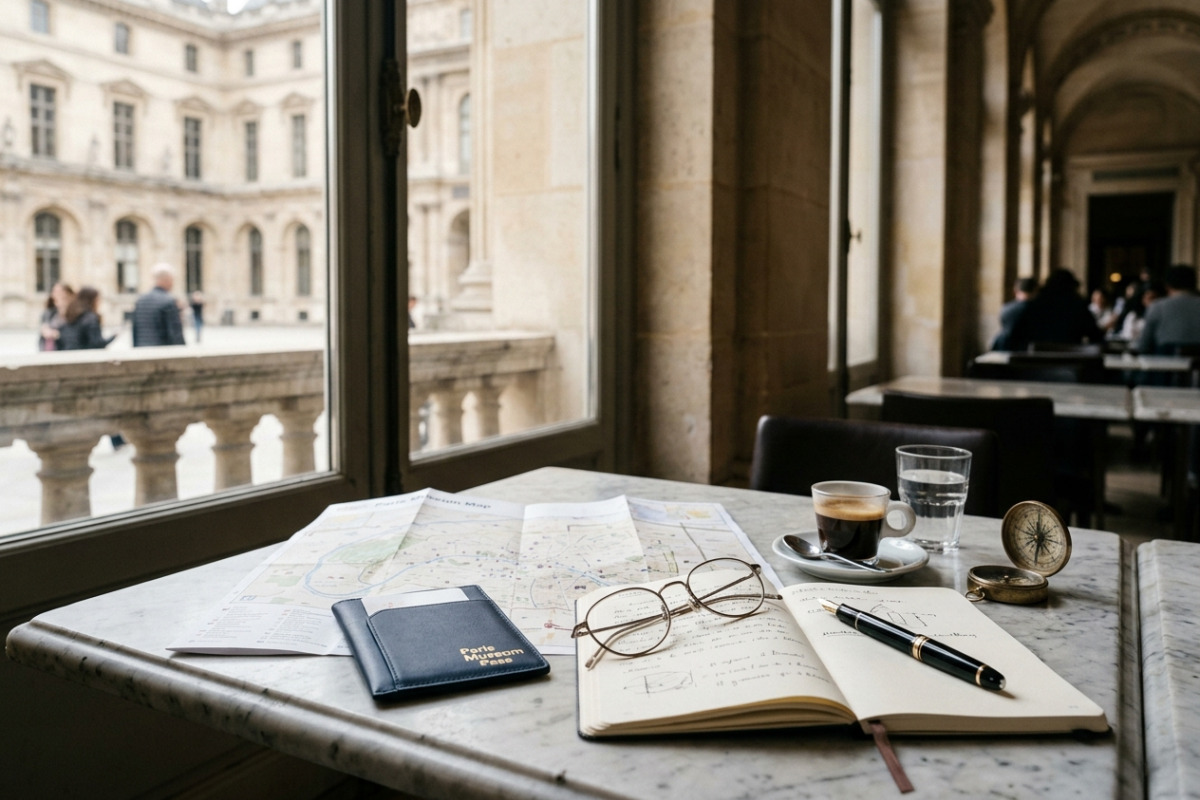
One of the most common dilemmas for travelers is deciding between purchasing a bundled pass or buying tickets à la carte. The Paris Museum Pass offers entry to dozens of top monuments and museums for a set duration—usually two, four, or six days. To help you decide which approach suits your travel style, consider the following comparison of features and limitations.
| Feature | Paris Museum Pass | Individual Tickets |
| Cost Efficiency | High value for "power sightseers" who plan to visit 2+ sites per day. | Better for "slow travelers" visiting only one major site per day or fewer. |
| Flexibility | Encourages spontaneity to pop into smaller museums you might otherwise skip. | Total freedom to choose specific days without consecutive-day pressure. |
| Booking Requirements | Still requires booking free time slots online for major venues (Louvre, Versailles). | Time slots are selected at the moment of purchase. |
| Access Scope | Cover broad access to permanent collections but often excludes temporary exhibitions. | Can be purchased to include specific temporary exhibitions and special access areas. |
The decision ultimately boils down to your pacing. If you treat Paris as a checklist and have the stamina to move from the Rodin Museum to the Arc de Triomphe and then to the Sainte-Chapelle in a single day, the pass offers incredible value. However, if you prefer to linger over a long lunch in the Marais and spend four hours analyzing Dutch paintings in a single museum, individual tickets will likely be more economical. The pass acts as a motivator to see more, but for some, that motivation can turn into stress, forcing a rushed pace just to justify the purchase price.
Budgeting Strategies for Art Lovers
Creating a realistic budget for museum visits involves looking beyond the ticket face value and considering the total cost of the experience. One of the most effective strategies is to purchase tickets directly from the official museum websites rather than third-party aggregators. While aggregators offer convenience and sometimes bundle diverse experiences, they often add service fees or markups that can accumulate significantly over the course of a trip. Official sites not only offer the standard rate but also provide the most accurate information regarding opening hours, strikes, or room closures, ensuring you don't pay for a compromised visit.
Furthermore, savvy travelers should account for the "hidden" extras that enhance a museum visit but inflate the daily spend. Audio guides, for instance, are rarely included in the base ticket price and can add a noticeable amount to the total for a family of four. To mitigate this, check if the museum offers a downloadable mobile app, which is becoming increasingly common in 2026. These apps often provide excellent commentary for free or a nominal fee, allowing you to use your own headphones. Additionally, keep in mind that cloakrooms and lockers, while sometimes free, can occasionally carry small charges, and the lure of the museum gift shop—often strategically placed at the exit—is a budgetary hazard of its own.
Maximizing Value Through Timing
- Late Night Openings: Many Parisian museums have evening hours (nocturnes) once or twice a week. These slots are not cheaper, but they offer better value because the crowds are thinner, allowing you to get closer to the art. For example, the Louvre often has late-night openings on Fridays.
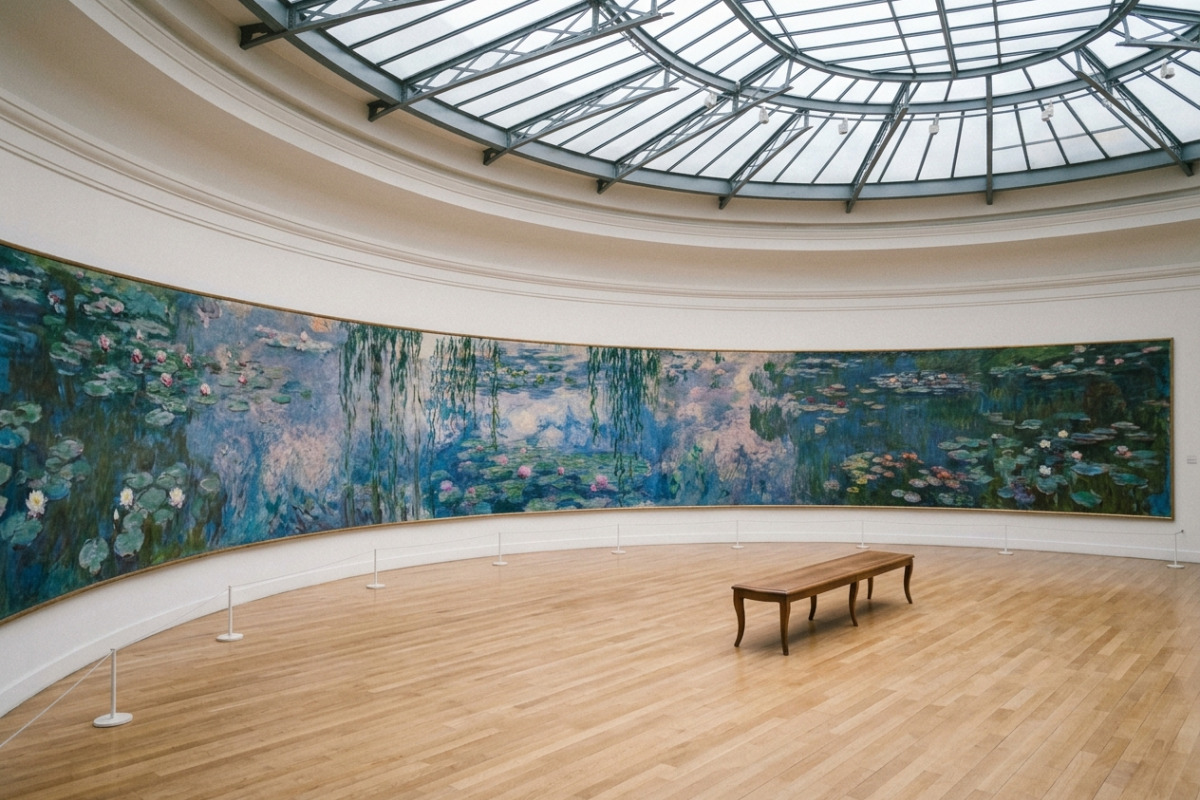
- Combined Tickets: Look for "jumelé" or twin tickets that offer entry to two related museums (like the Musée d'Orsay and the Musée de l'Orangerie) for a price lower than buying them separately. These tickets are often available directly from the museum websites.
- Off-Peak Seasons: Visiting in months like November or late January can sometimes yield lower prices for accommodation, freeing up more of your budget for museum tickets and guided tours. You might also find fewer crowds, enhancing your overall experience.
Embracing the Cultural Investment
Ultimately, the cost of entering a museum in Paris is the price of admission to centuries of human achievement, romance, and tragedy. While it is prudent to budget carefully and take advantage of every discount available, it is also important not to let the price tag deter you from the experiences that drew you to France in the first place. Whether you choose the efficiency of a pass or the simplicity of a single ticket, the goal is to facilitate a connection with the art. By understanding the pricing landscape—from the premiums on temporary exhibits to the generosity shown to youth—you can navigate the city's cultural offerings with confidence. In 2026, the savvy traveler is not just the one who saves the most money, but the one who knows exactly what they are paying for and finds it worth every cent.