Paris is a city that is frequently romanticized for its golden sunsets and twinkling iron tower, but there is one specific night of the year when the City of Light truly lives up to its name in the most literal sense. Nuit Blanche, translated as "White Night," is an extraordinary cultural phenomenon that invites locals and travelers alike to forgo sleep in favor of artistic discovery. It is a time when the boundaries between the traditional museum space and the urban streetscape dissolve completely, turning the entire capital into a sprawling, interactive gallery open to anyone willing to wander. As we move through 2026, the anticipation for this sleepless celebration of contemporary art continues to grow, drawing creative souls from every corner of the globe.
The atmosphere during Nuit Blanche is unlike anything else you will experience in France; it is a blend of a block party, a high-brow art exhibition, and a surreal dream sequence. From the banks of the Seine to the hidden courtyards of the Marais, the city pulses with a unique energy that encourages exploration and curiosity. Whether you are an art aficionado or simply a night owl looking for adventure, this event offers a unique perspective on Paris, illuminating corners of the city that usually remain in the shadows.
The Concept: A City That Refuses to Sleep
The core philosophy behind Nuit Blanche is the democratization of art, making high culture accessible, engaging, and free for everyone to enjoy without the constraints of tickets or opening hours. Originally launched in Paris in 2002, the concept was so successful that it has since been replicated in cities around the world, yet the Parisian edition remains the flagship experience. The goal is to reclaim public spaces—squares, bridges, churches, and parks—and repurpose them as venues for avant-garde performances and installations. This approach challenges the viewer to look at familiar landmarks through a completely different lens, often distorted by light projections or recontextualized by soundscapes.
During this night, the usual rules of the city do not apply; public transport often adjusts its schedule, and the streets remain crowded with pedestrians well past the break of dawn. It is a communal experience where strangers discuss abstract sculptures at 3:00 AM, and families marvel at light shows projected onto centuries-old architecture. The event fosters a sense of unity and shared wonder, proving that art has the power to bring a massive metropolis together in the quiet hours of the night.
Museums and Cultural Centers: Open Doors, Open Minds
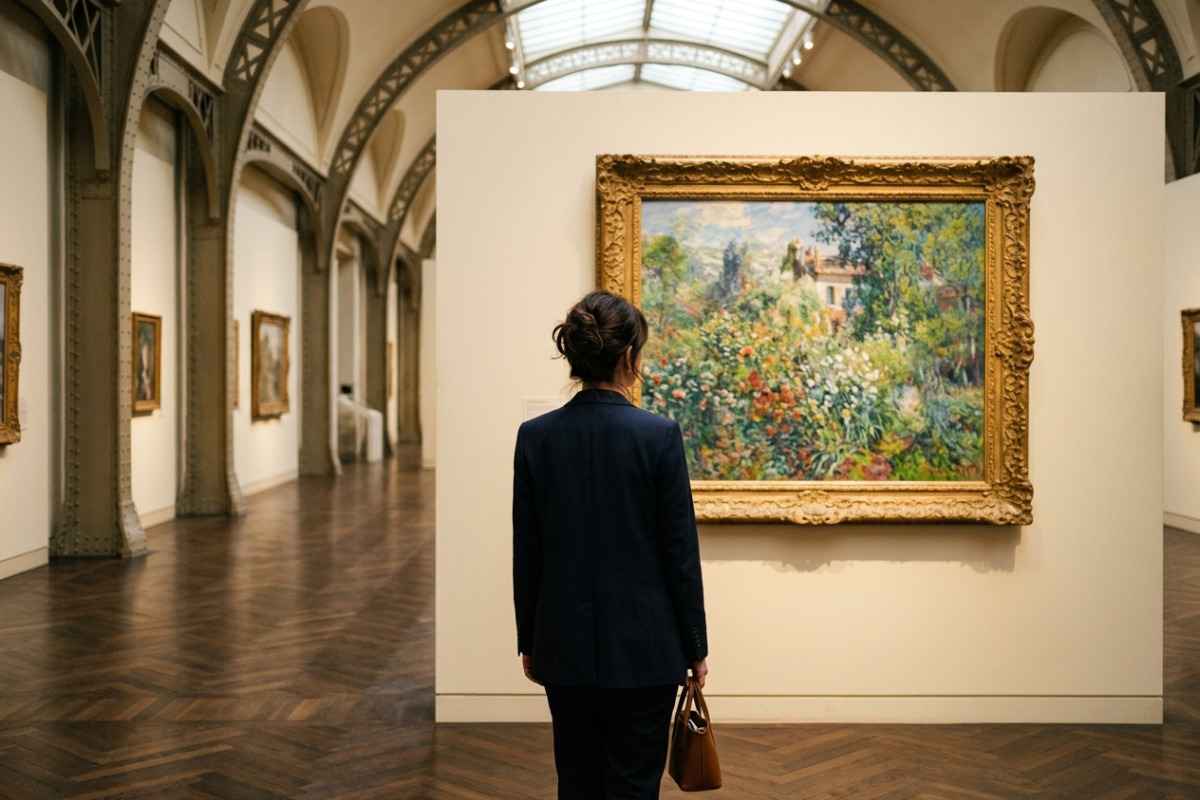
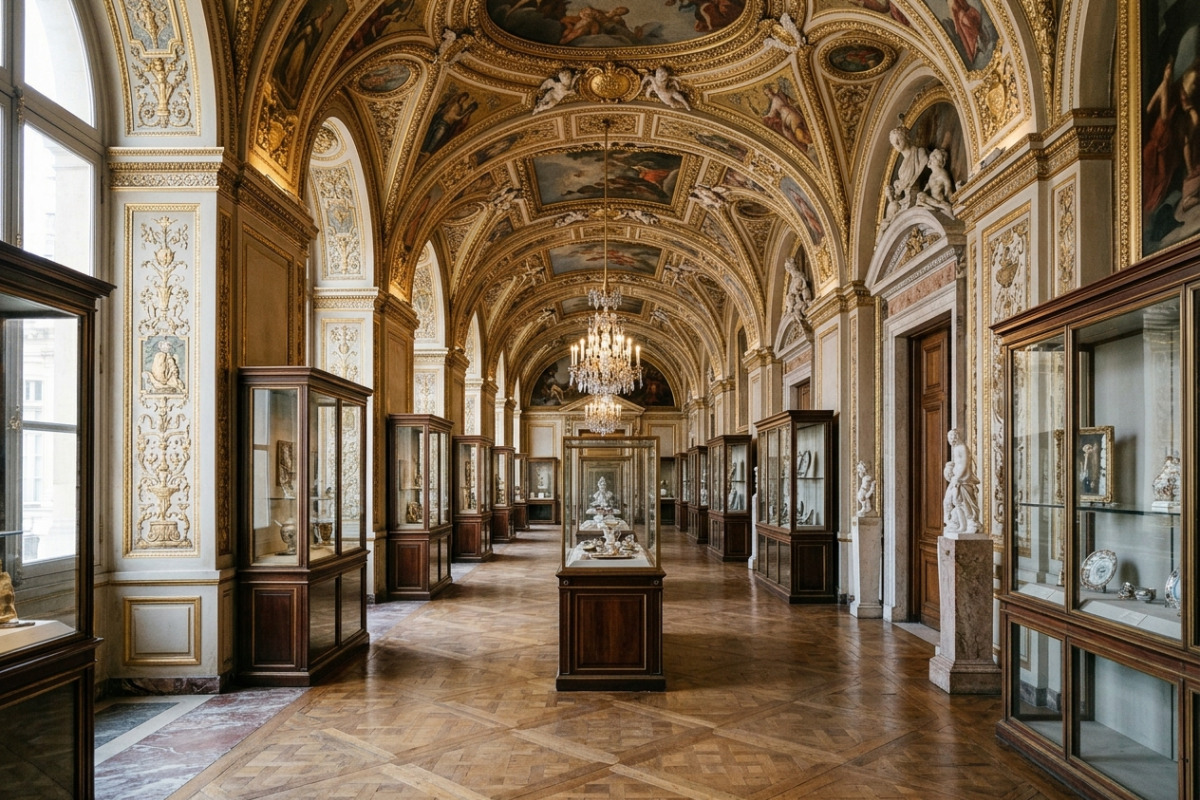
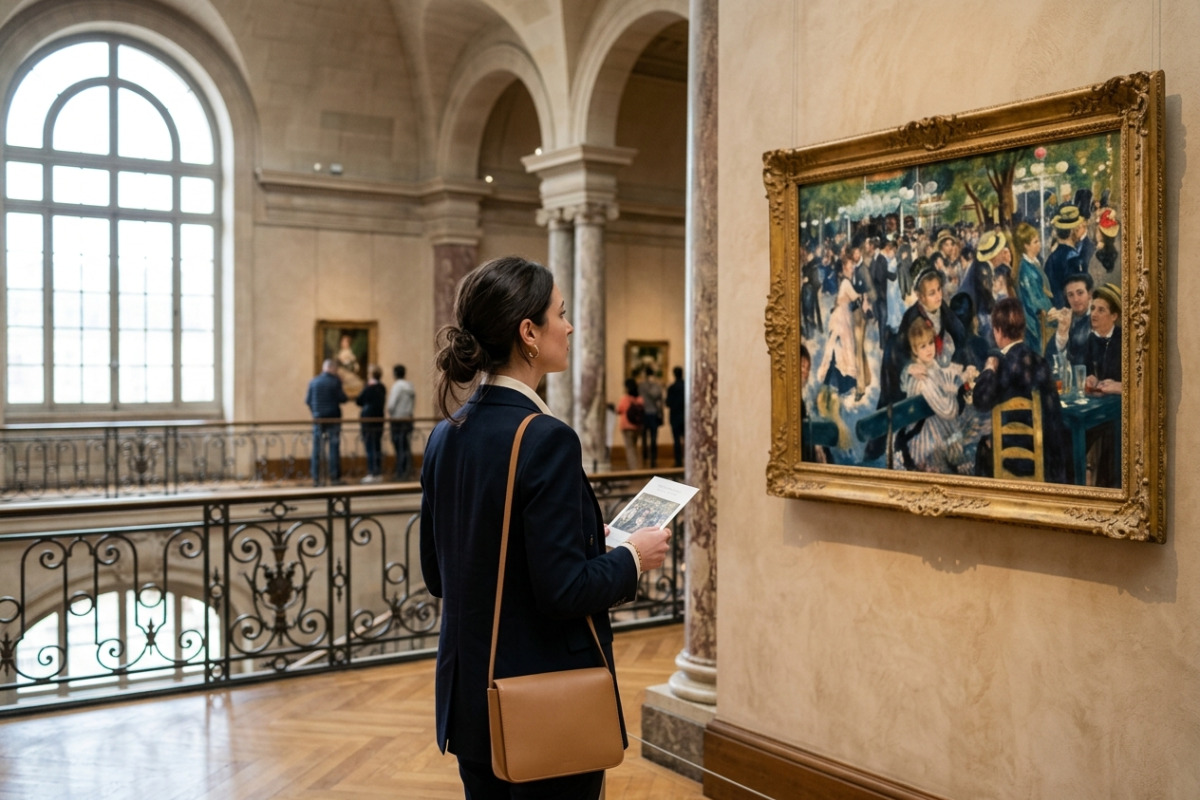
One of the most compelling aspects of Nuit Blanche is the participation of Paris's world-renowned museums and cultural institutions, which throw open their doors for free, late-night access. Visiting a museum like the Centre Pompidou, the Musée d'Art Moderne, or the Palais de Tokyo in the middle of the night offers a radically different experience than a daytime visit. The crowds are different, the lighting feels more intimate, and there is a hush over the galleries that allows for a deeper connection with the works on display. It is a rare opportunity to wander through history and modernity simultaneously, surrounded by the architectural beauty of these institutions under the cover of darkness.
However, it is not just the major blockbuster museums that participate; smaller, niche galleries and municipal buildings also join the festivities. You might find yourself exploring a contemporary photography exhibit in a local town hall or watching a dance performance inside a historic library that is usually closed to the public. These venues often host specific commissions for the night, meaning the art you see is ephemeral and site-specific, designed to interact with the unique architecture of the space. This creates a treasure hunt effect, where the joy lies as much in the discovery of the venue as in the art itself.
The Magic of Street Installations and Performances
While the museums are a draw, the true heart of Nuit Blanche beats in the streets, where monumental installations transform the urban fabric into a playground for the imagination. Artists from around the world are invited to create works that engage with the city's infrastructure, often utilizing light, sound, and movement to alter reality. You might stumble upon a bridge wrapped in glowing fiber optics, a park filled with fog and ambient music, or a building facade that appears to crumble and rebuild itself through 3D mapping technology. These installations are designed to be immersive, forcing the spectator to become part of the artwork rather than a passive observer.
Performance art is also a significant pillar of the programming, adding a dynamic, human element to the visual spectacle. Dancers, musicians, and actors take over public squares and subway stations, performing pieces that range from the whimsical to the profound. The unpredictability is part of the charm; turning a corner in the Latin Quarter might lead you face-to-face with a silent choir or a troupe of acrobats scaling a monument. These fleeting moments of beauty create a narrative of the night that is personal to every attendee, as no two people will walk the exact same path or see the exact same performances.
Navigating the Night: Routes and Zones
Paris is a vast city, and Nuit Blanche covers a significant amount of ground, so understanding how the event is structured is key to maximizing your experience. typically, the organizers divide the programming into specific routes or "parcours," often color-coded or themed, to help guide the flow of people. These routes usually concentrate on specific neighborhoods, allowing you to explore a cluster of installations without spending the entire night in transit. For instance, one route might focus on the contemporary architecture of the 13th arrondissement, while another might wind through the historic streets of the center.
- The Central Route: Usually focuses on the area around the Hôtel de Ville and the Seine, offering high-impact, large-scale installations perfect for first-timers.
- The Northern Route: Often explores the grittier, more industrial areas like Belleville or La Villette, showcasing experimental and edgy works.
- The Left Bank Route: Typically quieter and more intellectual, focusing on cultural institutes and historic gardens.
Choosing Your Experience Style
Because it is impossible to see everything in one night, it helps to decide what kind of "Nuit Blanche" you want to have. Below is a breakdown of potential experience styles to help you plan your evening:
| Traveler Style | Focus Area | Vibe |
| The Classicist | City Center & Major Museums | Majestic, historical, and grand. Focuses on seeing famous landmarks in a new light. |
| The Explorer | Outer Arrondissements (19th, 13th) | Edgy, industrial, and surprising. Best for discovering the "new" Paris. |
| The Wanderer | Along the Seine & Canals | Fluid, romantic, and scenic. Great for those who prefer walking without a strict map. |
| The Interactive | Public Squares & Participatory Art | Social, energetic, and playful. Ideal for those who want to touch, move, and engage. |
Practical Tips for a Sleepless Night
Surviving an all-nighter in Paris requires a bit of practical preparation to ensure the experience remains enjoyable from dusk until dawn. First and foremost, footwear is the most critical decision you will make; you will likely walk many kilometers, often over cobblestones, so leave the heels and dress shoes at home in favor of sturdy sneakers. The weather in Paris can also be unpredictable, especially late at night when the temperature drops, so dressing in layers is highly recommended to stay comfortable as you move between heated indoor venues and the cool night air.
Food and drink are essential fuel for this marathon of art, and while many restaurants stay open later than usual, it is wise to have a plan. Food trucks and pop-up stalls often accompany the major installation hubs, offering quick bites to keep you going. However, carrying a water bottle and some snacks in your bag is a smart move to avoid waiting in long lines when hunger strikes at 2:00 AM. Additionally, keep an eye on the public transport announcements; while the Metro often extends its hours, some lines may still close, requiring you to rely on the Noctilien (night bus) network or ride-sharing services to get back to your accommodation.
Why Nuit Blanche Matters
Ultimately, Nuit Blanche is more than just a fun night out; it is a testament to the city's resilience and its enduring commitment to culture. It breaks down social barriers, inviting people from all walks of life to share the same space and the same wonder. In a world that is often divided, standing shoulder to shoulder with thousands of others, watching a cathedral light up in neon colors, serves as a powerful reminder of our shared humanity and creativity. It turns the city into a communal home, if only for one night.
As you plan your travels for 2026, consider aligning your visit with this spectacular event. It offers a version of Paris that is intimate, wild, and incredibly beautiful. Whether you last until the sunrise over the Seine or head home after a few hours of exploration, the memories of the art and the atmosphere will linger long after the lights have dimmed.
Planning Your Visit: Dates and How to Participate
Nuit Blanche typically takes place on the first Saturday of October. While the specific date for 2026 will be announced closer to the time, keep an eye on the official Paris City Hall website (usually available in multiple languages) for the confirmed date and program details. Participation is free; simply show up and explore! No tickets are required for most installations and museum access during the event. However, some special performances or smaller venues might require reservations, so checking the official program in advance is always a good idea.
To get a taste of what to expect, check out recaps and photos from previous years. A great place to start is by searching for #NuitBlanche on social media platforms like Instagram, where you can see photos and videos from attendees.