Paris is a city that exists in the imagination of every traveler as a montage of cobblestone streets, golden croissants, and, of course, unparalleled art. However, the reality of standing in the shadow of the Louvre’s glass pyramid or waiting outside the Musée d'Orsay can sometimes feel less like a dream and more like an endurance test. Even now, in January 2026, when the winter chill usually thins out the tourist herds, the appetite for culture in the French capital remains insatiable. Navigating the queue times at Paris museums isn't just about saving time; it is about preserving your energy so you can truly appreciate the masterpieces waiting inside. With the right strategy, you can transform a chaotic visit into a seamless cultural journey.
Understanding the Rhythms of Parisian Crowds
To beat the crowds, you first have to understand them. Paris functions on a specific rhythm, and the museums are no exception. Most visitors follow a predictable pattern: they enjoy a leisurely breakfast and head to the museums between 10:00 AM and 11:00 AM. This creates a bottleneck that can last well into the early afternoon. By simply shifting your schedule by a few hours, you can dramatically alter your experience. The savvy traveler knows that lunch hours (typically 12:30 PM to 2:00 PM) often see a slight dip in attendance as tour groups retreat to restaurants.
The Seasonal Factor in 2026
While summer remains the undisputed peak season, the definition of "off-peak" has evolved. In January 2026, we are seeing that weekends remain incredibly busy regardless of the temperature outside. If your itinerary allows, aim for mid-week visits. Tuesdays and Wednesdays generally offer the most breathing room, provided the specific museum you want to visit is open. Remember that national holidays and school vacation periods in France will instantly inflate wait times, so checking the local calendar is always a wise move before finalizing your daily plans.
The Golden Rule: Advance Booking is Non-Negotiable
Gone are the days when you could spontaneously stroll up to a major Parisian landmark and buy a ticket at the door without consequence. Today, online booking is not just a convenience; it is a necessity. Most major institutions, including the Louvre and the Centre Pompidou, have shifted to a mandatory time-slot reservation system. This system helps manage the flow of visitors, but it also means that same-day tickets are rarely available for prime times.
- Commit to a Slot: Book your tickets weeks in advance. The earlier you book, the more control you have over your itinerary.
- Stick to the Schedule: Arrive roughly 15 to 30 minutes before your designated slot. Arriving too early often results in being held in a holding line, while arriving late can jeopardize your entry.
- Digital Wallets: Keep your tickets accessible on your smartphone. Fumbling for paper printouts slows you down and adds unnecessary stress to the entry process.
Strategic Timing: When to Visit Top Museums
Timing is everything. While morning slots are popular, they are not always the best choice if you want a quiet atmosphere. Many museums offer late-night openings, known as "Nocturnes," which are often the best-kept secrets for art lovers. During these evening hours, the atmosphere is more subdued, the noise levels drop, and the lighting often adds a dramatic flair to the architecture.
| Museum | Best Time to Visit | Worst Time to Visit | Closed On |
| The Louvre | Wednesday or Friday evenings (after 6 PM) | Monday & Weekend Mornings | Tuesday |
| Musée d'Orsay | Thursday evenings (Nocturne) | Tuesday Mornings | Monday |
| Centre Pompidou | Late afternoon (after 4 PM) | Weekends 1 PM - 3 PM | Tuesday |
| Versailles | Immediately at opening or late afternoon | Tuesday & Weekend Mornings | Monday |
Utilizing Alternative Entrances
One of the most effective tricks for navigating queue times is knowing where to enter. The main entrance is almost always the most crowded simply because it is the most visible. At the Louvre, the iconic Pyramid entrance is visually stunning but logistically painful due to the volume of people taking photos and queuing. Instead, savvy visitors often head to the Carrousel du Louvre shopping mall entrance underground. While security lines still exist here, they are often sheltered from the weather and move with greater efficiency.
Similarly, at the Musée d'Orsay, visitors with pre-booked tickets or passes should pay close attention to the signage outside. There is typically a dedicated entrance (often Entrance C) specifically for reserved tickets, which bypasses the general admission queue entirely. Doing a quick reconnaissance of the building's layout on Google Maps before you arrive can save you from standing in the wrong line for twenty minutes.
Pro Tip for Musée d'Orsay: If you are arriving by train at the Musée d'Orsay RER station, there is often a less crowded entrance directly accessible from the station platform. Look for signs indicating museum access; this can save you a significant amount of time, especially during peak hours.
The Paris Museum Pass: Efficiency Over Cost
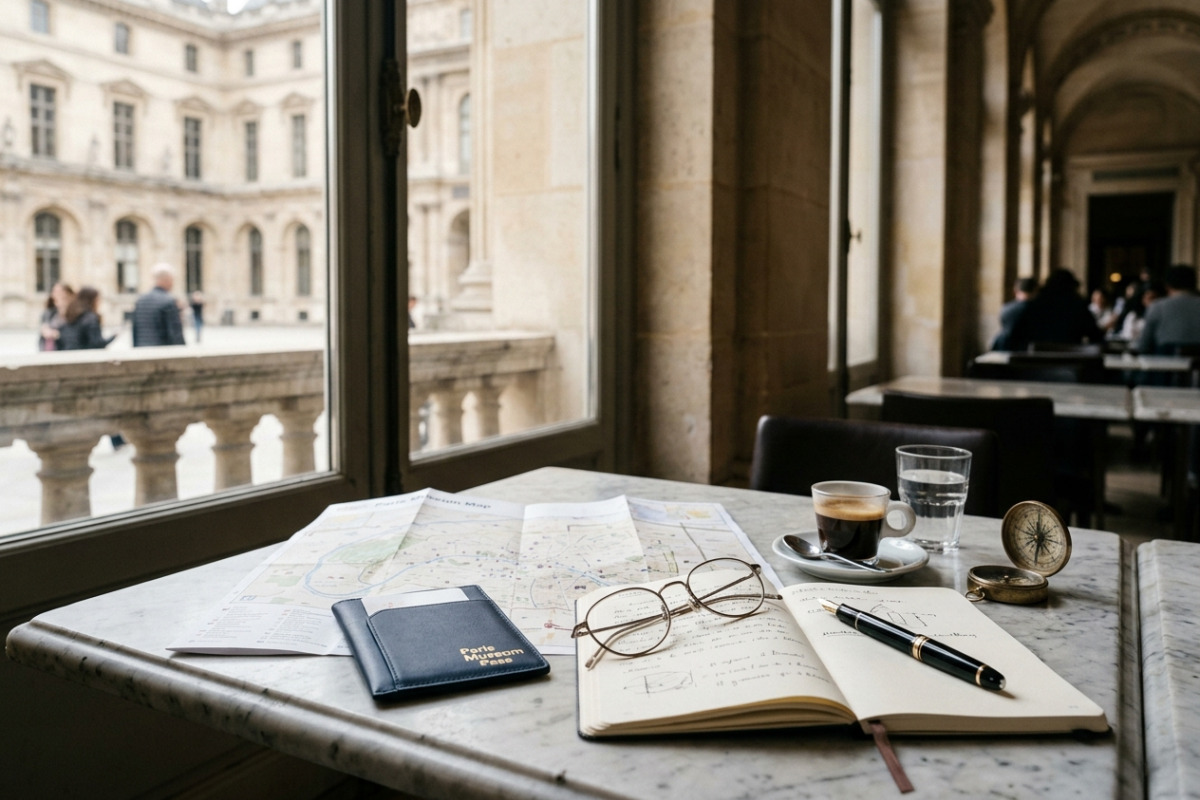
While we won't discuss the financial aspect, the logistical value of the Paris Museum Pass cannot be overstated. The primary benefit of the pass is not just the access it grants, but the ease of movement it facilitates. In many smaller to mid-sized museums, holding a pass allows you to walk straight to the ticket control area. However, it is crucial to note that for the "Big Two" (Louvre and Versailles), simply having the pass is no longer enough; you must still log in online and reserve a free time slot to guarantee your entry.
Security Checks: The Unavoidable Line
It is important to manage your expectations regarding security. No matter which ticket you hold or which entrance you use, you cannot skip the security screening. This is a standard procedure across Paris for safety reasons. To speed up this process for yourself and those behind you, travel light. Avoid bringing large backpacks or suitcases, as many museums will refuse entry for large items or force you to wait in yet another line for the cloakroom. A small crossbody bag and a coat that is easy to remove will make your passage through metal detectors swift and smooth.
Another Security Tip: Be prepared to remove any electronic devices, such as phones and tablets, and place them in a tray. Having these items easily accessible will expedite the process.
Embracing Smaller Museums
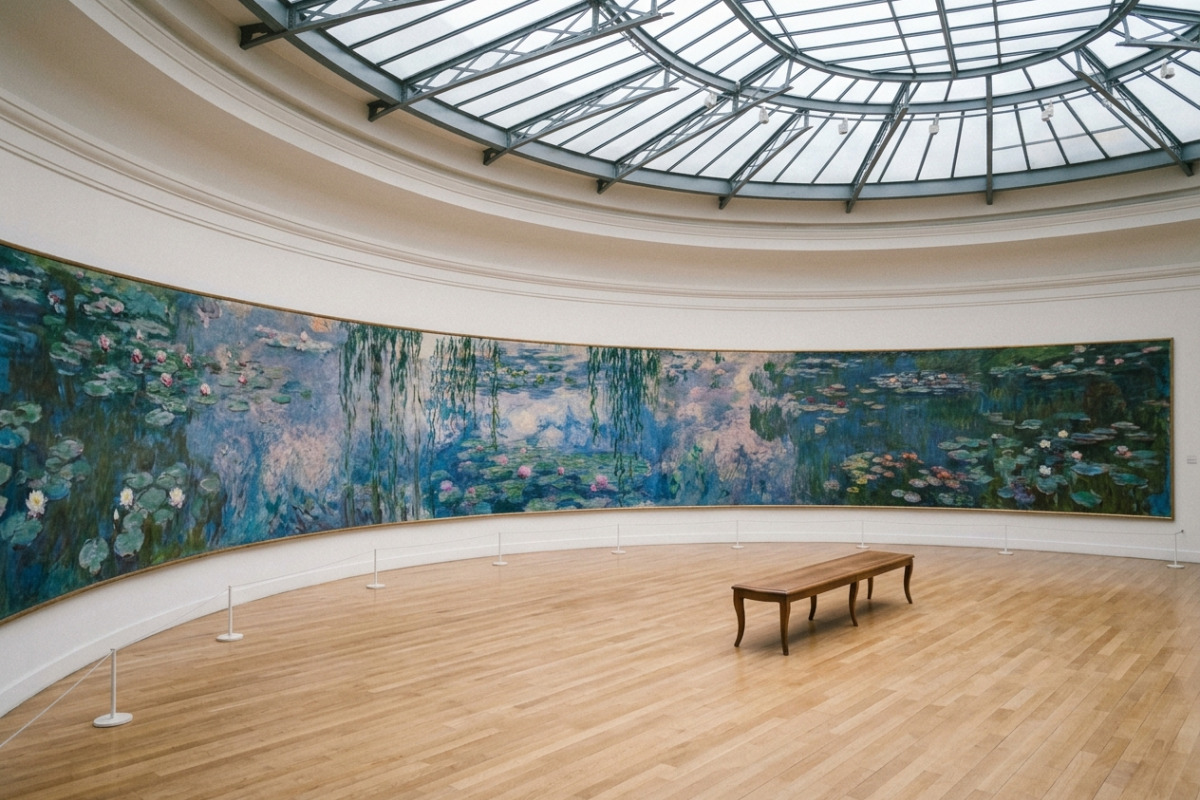
If the idea of fighting crowds at the Louvre feels overwhelming, remember that Paris is home to over 130 museums. Often, the best way to avoid queues is to visit the hidden gems that the mass tourism buses ignore. Places like the Musée de l'Orangerie (for Monet’s water lilies), the Musée Rodin, or the Musée Marmottan Monet offer world-class art experiences with a fraction of the foot traffic. These intimate settings often allow for a deeper connection with the art, free from the jostling of selfie sticks and tour groups.
Don't Forget the Free Museums: Several museums in Paris offer free admission to their permanent collections. The Musée d'Art Moderne de la Ville de Paris and the Petit Palais are excellent options for experiencing art without spending a fortune or battling huge crowds. Check their websites for specific details and any temporary exhibition fees.
Final Thoughts for a Smooth Visit
Visiting Paris museums in 2026 requires a blend of appreciation for the arts and military-grade planning. By booking ahead, utilizing evening hours, and knowing which door to open, you can reclaim hours of your trip that would otherwise be lost to standing in line. Remember to wear your most comfortable walking shoes, stay hydrated, and bring a dose of patience. The goal is not just to see the art, but to enjoy the experience of being in its presence. With these tips in hand, you are ready to navigate the cultural landscape of Paris like a true insider.