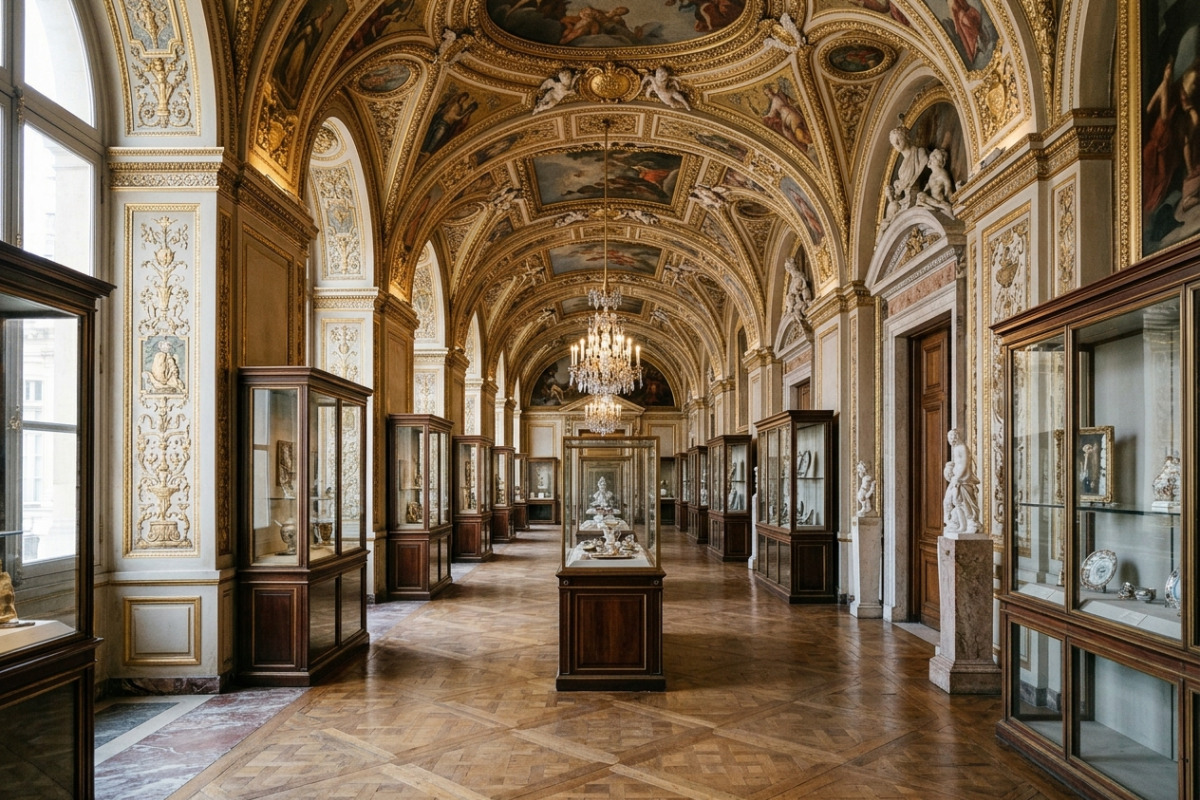
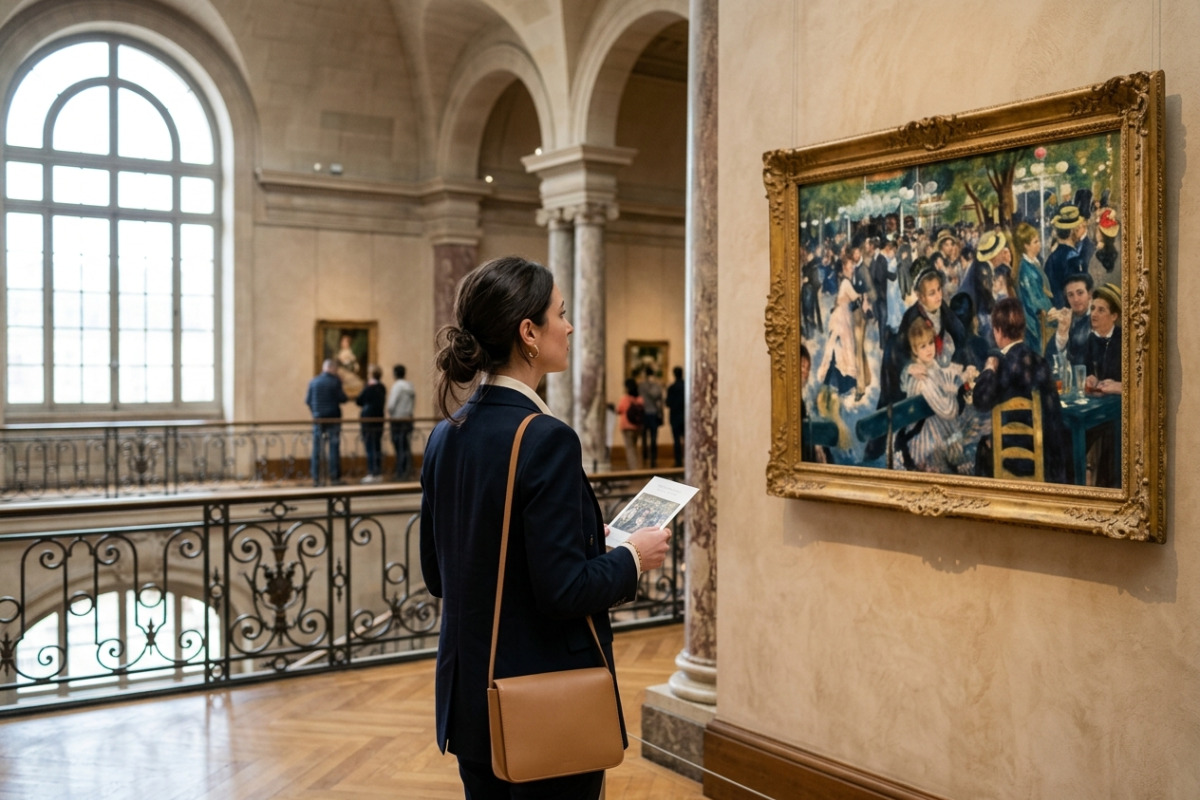
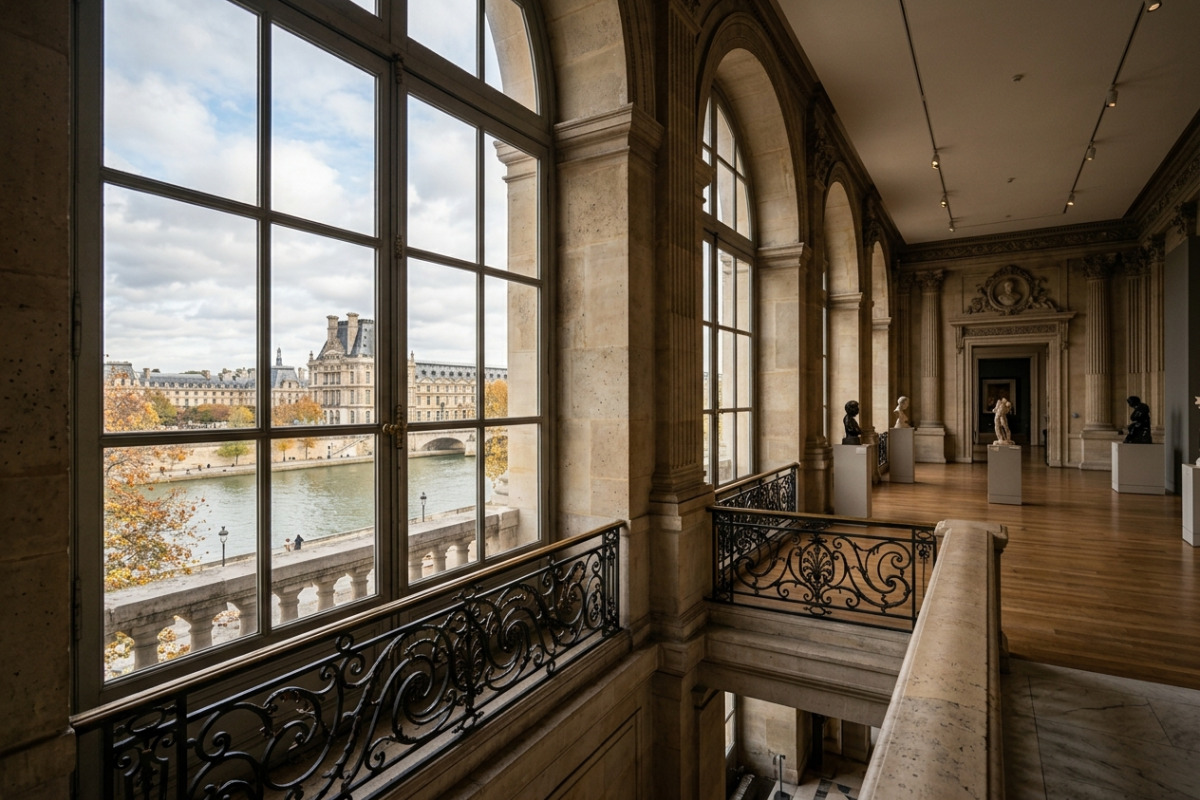
Paris is often described as an open-air museum, a city where every street corner whispers history and every building facade tells a story. However, for the modern traveler in 2026, the sheer intensity of the city’s artistic wealth can sometimes feel overwhelming. To truly appreciate the masterpieces housed within the French capital without succumbing to museum fatigue, the secret lies in balance. By intertwining visits to grand institutions with leisurely strolls through the city’s lush, historic green spaces, you create a travel rhythm that nurtures both the mind and the spirit. This approach allows you to digest the profound beauty of a Renoir or a Da Vinci while breathing in the fresh air of a manicured garden, just as the artists themselves often did.
The concept of the "flâneur"—the passionate wanderer—is central to the Parisian experience, and there is no better way to embody this than by drifting between art galleries and parks. Whether you are visiting in the crisp air of January or planning for the bloom of spring, pairing a museum with a nearby park transforms a frantic sightseeing checklist into a soulful journey. The following itinerary and guide highlight the most seamless combinations of culture and nature, ensuring your day in Paris is as relaxing as it is educational.
The Imperial Axis: The Louvre and Jardin des Tuileries
There is perhaps no combination more iconic or geographically convenient than the Louvre Museum and the Tuileries Garden. Standing as a testament to French royal history, these two landmarks are physically connected, allowing for an effortless transition from indoor splendor to outdoor elegance. After navigating the grand halls of the Louvre, stepping out into the vast openness of the Tuileries offers an immediate sense of relief and perspective. The geometric precision of the garden, designed by André Le Nôtre, provides a visual palate cleanser after the intricate details of Renaissance paintings.
Navigating the Halls of History
Starting your day at the Louvre requires a strategic approach, as the sheer volume of art can be daunting for even the most seasoned historian. Instead of trying to see everything, focus on a specific wing or period, allowing yourself to truly connect with the works rather than rushing past them. Once you have absorbed the enigmatic smile of the Mona Lisa or the imposing stature of the Winged Victory of Samothrace, the exit through the Carrousel du Louvre leads you directly toward the sunlight. This transition is not just physical but symbolic, moving from the preserved past into the living present.
Breathing Room in the Tuileries
The Jardin des Tuileries is not merely a park; it is a continuation of the museum experience, adorned with statues by Maillol and Rodin that stand amidst the chestnut trees. Here, you can partake in a beloved local tradition: pulling one of the iconic green metal chairs up to the edge of the Grand Bassin. Watching the ducks glide across the water while the silhouette of the Eiffel Tower looms in the distance allows the art you’ve just seen to settle in your memory. It is the perfect spot to enjoy a quiet moment, perhaps with a book or simply observing the stylish parade of Parisians passing by.
Impressionist Light: Musée d’Orsay and the Seine Banks
Crossing the river from the Tuileries, you encounter the Musée d’Orsay, a sanctuary for Impressionist and Post-Impressionist masterpieces housed in a stunning Beaux-Arts railway station. The art here is deeply connected to nature; painters like Monet, Sisley, and Van Gogh were obsessed with capturing light, landscapes, and the changing seasons. Therefore, it feels only natural to follow a visit here with a walk along the very river that inspired so many of these canvases. The proximity of the Seine offers a fluid extension of the museum's themes.
- The Art Connection: Notice how the natural light filtering through the museum's glass clock face mimics the atmosphere in the paintings below.
- The River Walk: The Berges de Seine (banks of the Seine) are a UNESCO World Heritage site and offer a pedestrianized haven free from car traffic.
- Golden Hour: If you visit in the late afternoon, the setting sun hitting the water creates a real-life Impressionist scene right before your eyes.
After immersing yourself in the vibrant colors of the 19th century, a stroll along the Berges de Seine provides a refreshing counterpoint. The area has been revitalized with floating gardens, wooden terraces, and ample seating areas where you can watch the bateaux-mouches glide by. This interaction with the river connects you to the heart of Paris, grounding the ethereal beauty of the Impressionist works in the tangible reality of the city's geography.
The Sculptor’s Sanctuary: Musée Rodin
For a seamless fusion of museum and park where the lines between the two are completely blurred, the Musée Rodin is the ultimate destination. Unlike other institutions where the garden is an afterthought, here the gardens are an integral part of the exhibition. The Hôtel Biron, a jewel of Rococo architecture, houses Rodin’s smaller studies and marble works, but it is outside where the true magic happens. This venue offers a unique opportunity to see monumental bronze sculptures in a natural setting, changing appearance with the shifting daylight and seasons.
Walking through the rose gardens and manicured lawns, you will encounter "The Thinker" deep in contemplation and "The Gates of Hell" standing ominously against a backdrop of greenery. The experience is intimate and remarkably peaceful, often feeling miles away from the bustling city streets just outside the walls. It is a place that encourages silence and introspection, allowing visitors to appreciate the raw emotion of Rodin’s work without the crowds often found in larger museums. The interplay of bronze, stone, and living foliage creates a texture and atmosphere that cannot be replicated indoors.
The Intellectual Heart: Musée du Luxembourg and Jardin du Luxembourg
Located in the vibrant Latin Quarter, the Musée du Luxembourg was the first French museum opened to the public in 1750, and it continues to host prestigious temporary exhibitions. It is nestled within the embrace of the Jardin du Luxembourg, a park that holds a special place in the hearts of Parisians. This combination captures the essence of the Left Bank: intellectual, historic, yet deeply relaxed. The museum creates a focused cultural engagement, usually centering on a specific artist or era, which prevents the experience from becoming exhausting.
Once you step out of the exhibition, the Jardin du Luxembourg offers a multitude of microcosms to explore. You can watch children pushing vintage toy sailboats across the central octagonal pond, a tradition that dates back to the 1920s. Alternatively, find a quiet corner near the Medici Fountain, a romantic grotto shaded by plane trees that feels like a scene from a fairytale. The park is also an open-air gallery of sorts, featuring over a hundred statues of French queens, saints, and poets, ensuring that the cultural journey continues even as you relax on the grass.
Planning Your Art and Nature Itinerary
To help you choose the best combination for your interests, the following table breaks down the unique vibe of each pairing. This will allow you to tailor your day based on whether you seek grandeur, romance, or quiet contemplation.
| Museum & Park Pair | Best For | Atmosphere |
| Louvre & Tuileries | First-time visitors & history buffs | Grand, Imperial, Bustling |
| Musée d'Orsay & Seine Banks | Romantics & Impressionist lovers | Dreamy, Fluid, Scenic |
| Musée Rodin & Gardens | Solo travelers & contemplation | Intimate, Serene, Poetic |
| Luxembourg Museum & Garden | Families & local vibe seekers | Classic, Lively, Intellectual |
| Petit Palais & Champs-Élysées Gardens | Architecture enthusiasts | Belle Époque, Elegant, Airy |
Practical Tips for the Flâneur
To make the most of your cultural day, practical preparation is key. While spontaneity is part of the charm, a little foresight ensures your walk is comfortable and your visits are smooth. Firstly, footwear is paramount; the gravel paths of Parisian parks are charming but can be unforgiving on improper shoes. Opt for stylish but supportive walking shoes or sneakers, which have become perfectly acceptable in Parisian fashion.
Secondly, consider the timing of your visit. Museums are often quietest early in the morning, right at opening time. This allows you to view the art without obstruction and then emerge into the park just as the day begins to warm up. Conversely, many museums have late-night openings once a week, allowing you to enjoy the park at sunset before heading inside for an evening of art. Finally, always check the weather forecast. Paris skies can be changeable, and having a compact umbrella ensures that a sudden shower doesn't dampen your transition from gallery to garden.
Combining museums and parks is not just a logistical choice; it is a way to embrace the Parisian art of living. It reminds us that culture is not just found in frames and pedestals, but also in the carefully pruned lime trees, the sound of gravel underfoot, and the shared quiet moments in a bustling metropolis. By adopting this slower, more balanced pace, you don't just see Paris—you feel it.