Paris is often celebrated as the city of romance, filled with quiet cafés and serious art galleries, but for families traveling with children, the French capital transforms into a vibrant playground of imagination and discovery. Gone are the days when visiting a museum meant dragging bored toddlers through silent halls while whispering 'don't touch.' Today, Parisian cultural institutions have radically reinvented the visitor experience, placing children at the center of their programming with immersive workshops, storytelling tours, and interactive spaces. Whether you are visiting in the crisp days of January 2026 or planning a future spring getaway, the city’s museums offer a warm refuge where creativity flourishes and history comes alive for the younger generation.
Navigating the vast art collections of Paris with little ones requires a strategy that goes beyond simply looking at paintings on a wall. Fortunately, curators have developed sophisticated educational programs that cater to various age groups, ensuring that a trip to see the masters is as entertaining as it is educational. From treasure hunts in the Louvre to hands-on avant-garde experiments at the Centre Pompidou, the options are diverse. By prioritizing engagement over observation, these institutions allow families to bond over shared creative experiences, turning what could be a tiring afternoon into a highlight of your travel itinerary.
The Louvre: More Than Just the Mona Lisa
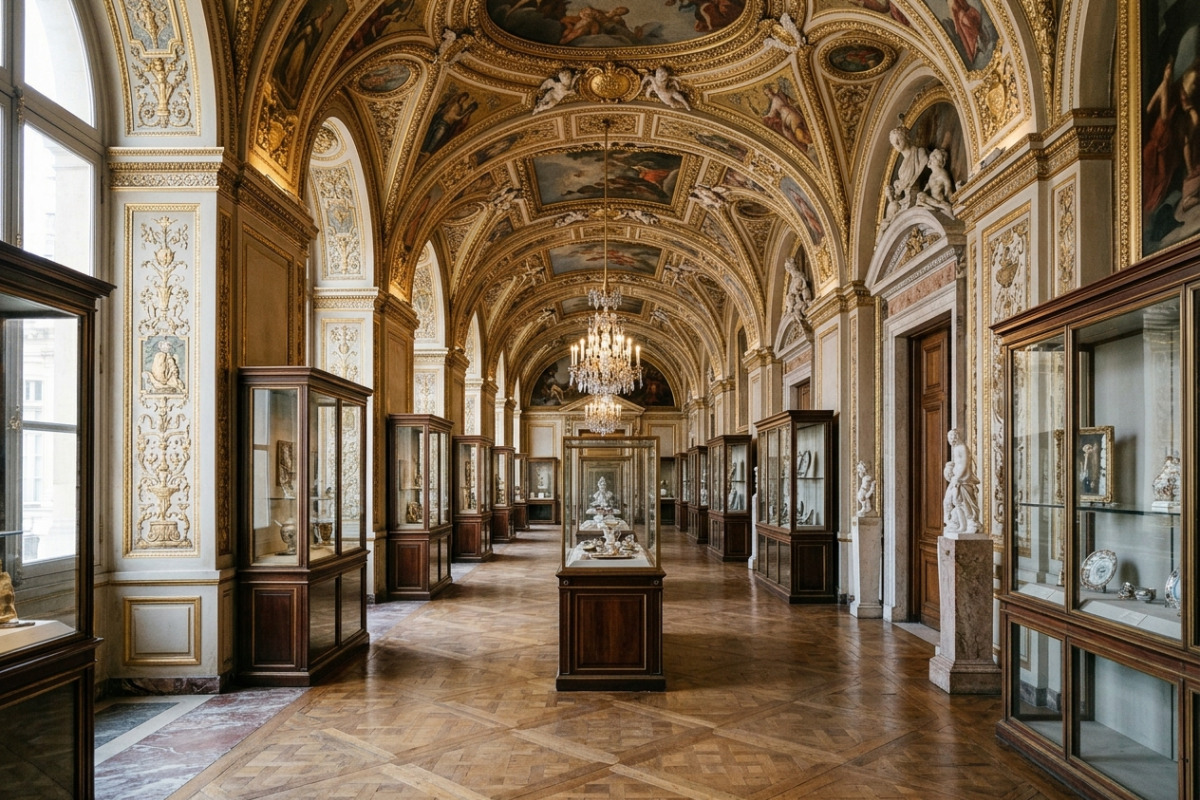
The sheer scale of the Louvre can be intimidating for adults, let alone children, but the museum has made significant strides in breaking down these barriers through dedicated family infrastructure. The centerpiece of this effort is 'The Studio,' a dedicated space designed to introduce children to the artistic process before or after they view the masterpieces. Here, families can engage in free activities that change seasonally, allowing children to try their hand at sculpting, drawing, or assembling collages inspired by current exhibitions. It provides a necessary tactile outlet, contrasting with the 'look but don't touch' rule that applies in the main galleries.
Beyond the creative spaces, the Louvre offers storytelling tours specifically crafted for children aged 4 to 10, where guides weave fascinating tales about Egyptian pharaohs or medieval knights to keep engagement high. These tours are not merely lectures; they are interactive dialogues where children are encouraged to ask questions and solve visual riddles. For older children and teenagers, the museum provides multimedia guides that function like interactive adventure games, turning the navigation of the sprawling corridors into a quest for hidden details within the artwork.
Musée d'Orsay: Impressionism for Little Eyes
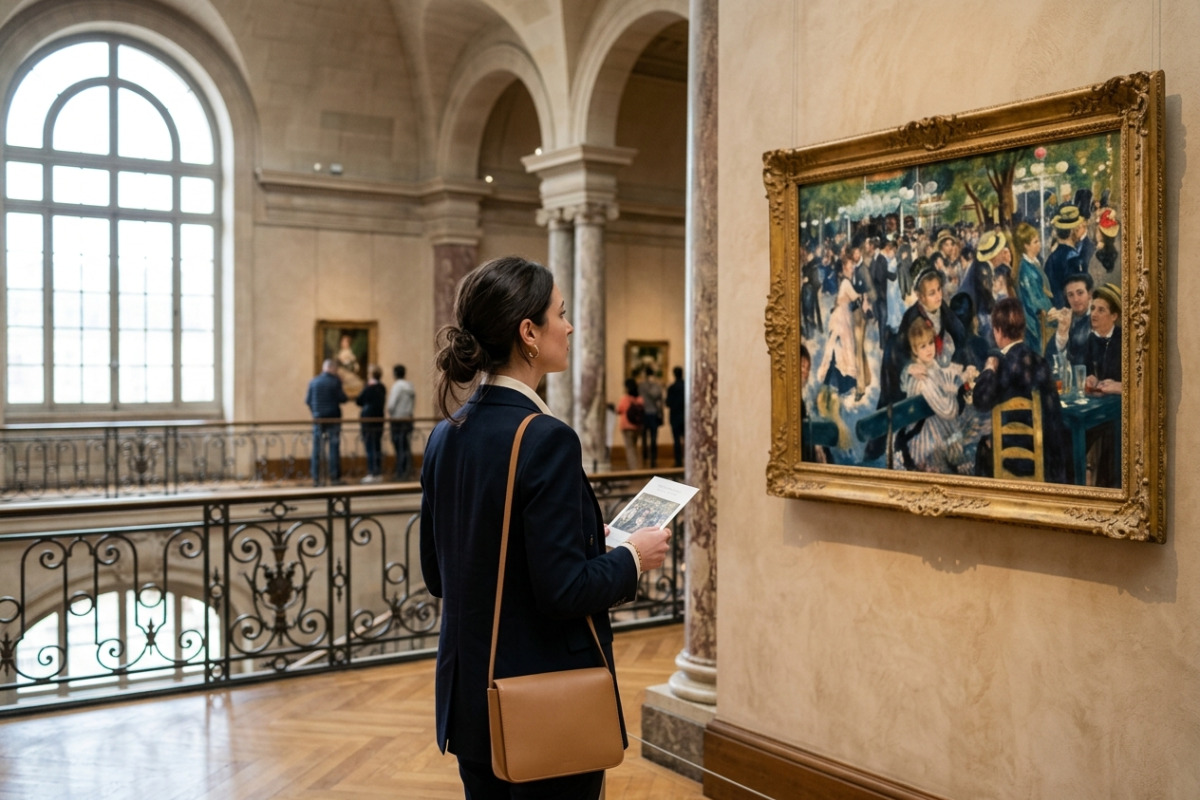
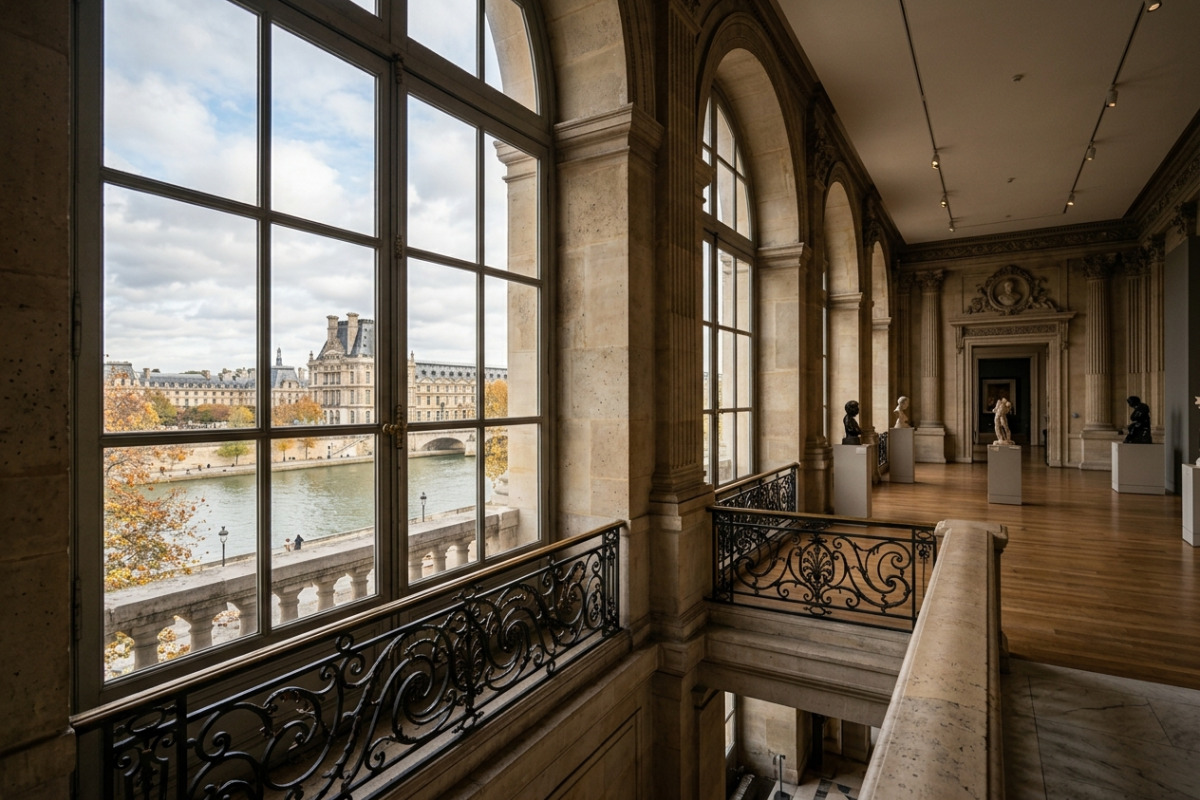
Crossing the Seine to the Musée d'Orsay, the atmosphere shifts to the colorful and dreamy world of Impressionism, which is often more visually accessible for younger audiences. The museum organizes 'Promenades Imaginaires' (Imaginary Walks), which are specialized tours combining movement, drawing, and observation. During these sessions, children might be asked to mimic the poses of statues or sketch the vibrant flowers found in a Van Gogh painting. The goal is to make the children feel like active participants in the art rather than passive observers.
Workshops at the Musée d'Orsay are particularly renowned for their quality and depth, often allowing families to work together on a single project. You might find yourself in a session focused on:
- Shadow and Light: Using pastels to understand how Monet captured the changing times of day.
- Sculpture Modeling: Working with clay to recreate the dynamic movement seen in Degas’ dancers.
- Architecture Games: Exploring the building's history as a train station through building block challenges.
Centre Pompidou: The Gold Standard for Kids
If there is one museum in Paris that speaks the language of children fluently, it is the Centre Pompidou. The 'Galerie des Enfants' (Children's Gallery) is a permanent exhibition space that commissions contemporary artists to create interactive installations specifically for young visitors. Unlike traditional museums where the educational aspect is an add-on, here it is the main event. Children are encouraged to climb, build, touch, and alter the installations, learning about concepts like perspective, color theory, and spatial awareness through pure play.
The workshops at Pompidou, known as 'La Fabrique,' offer a rotating schedule of activities that reflect the bold and experimental nature of modern art. These sessions are excellent for teenagers as well, as they often incorporate digital media, video editing, and graphic design, bridging the gap between classic art techniques and modern technology. The environment is relaxed and noisy in the best possible way, removing the intimidation factor often associated with modern art museums.
Science and Discovery at La Villette
For families who want to take a break from fine art, the Cité des Sciences et de l'Industrie at Parc de la Villette offers the ultimate educational playground. The 'Cité des Enfants' is divided into two distinct areas based on age (2-7 years and 5-12 years), ensuring that the activities are developmentally appropriate. In the younger section, the focus is on self-discovery and motor skills, with water play areas, construction sites, and mazes. It is a sensory wonderland where toddlers learn physics without realizing it.
For the older age bracket, the experiments become more complex, involving robotics, energy production, and communication studios. The museum also features a planetarium with shows specifically designed for younger viewers, explaining the cosmos in a narrative format that captures the imagination. These programs are immensely popular because they allow children to be the scientists, conducting experiments that produce immediate and often spectacular results.
Choosing the Right Museum for Your Family
With so many options, it can be difficult to decide which museum fits your family's schedule and interests. To help you plan, here is a breakdown of the best fits based on age groups and interests:
| Museum | Best For Ages | Key Feature | Activity Type |
| Musée en Herbe | 3 - 10 Years | Exhibitions made 100% for kids | Interactive trails & workshops |
| The Louvre | 6+ Years | The Studio & Treasure Hunts | History & Classical Art |
| Centre Pompidou | 2 - 16 Years | Galerie des Enfants | Modern Art & Sensory Play |
| Musée de l'Armée | 8+ Years | Knight & Armor Tours | History & Strategy |
| Cité des Sciences | 2 - 12 Years | Cité des Enfants | STEM & Hands-on Science |
The Hidden Gem: Musée en Herbe
While the major institutions grab the headlines, the Musée en Herbe is a dedicated space that deserves special attention from parents. Located in the heart of the city, this museum creates exhibitions based on famous artists (like Dali, Tintin, or Street Artists) but scales everything down to a child's perspective. There are no 'do not touch' signs here; instead, visitors are equipped with a game booklet upon entry and must solve clues to progress through the exhibit. The staff are trained specifically to interact with children, making it perhaps the most welcoming art environment in Paris for the under-10 crowd.
The workshops at Musée en Herbe are intimate and highly creative, often involving unique materials like recycled street art supplies or comic book inking tools. Because the museum is smaller, it offers a less exhausting experience than the Louvre or Orsay, making it perfect for a morning activity that leaves plenty of energy for exploring the city's parks in the afternoon. It represents the philosophy that art should be fun, accessible, and a shared family joy.
Practical Tips for a Smooth Experience
To make the most of these special programs, a little logistical planning goes a long way. Most workshops and guided tours for families require advance reservation, even if general entry does not. Weekends and Wednesday afternoons (when French children are often out of school) are peak times for these activities, so booking weeks in advance is recommended. Additionally, check the language options; while many workshops are visual and transcend language barriers, major museums often offer specific slots for English-speaking families.
Finally, remember that the goal of these programs is to spark curiosity, not to see everything in one go. Whether you are building a robot at La Villette or sketching a statue at the Louvre, the magic lies in the shared experience of discovery. Paris museums have successfully transformed into spaces where families can laugh, learn, and create together, leaving you with memories far more valuable than any souvenir.