Paris is often romanticized as a city for lovers, artists, and solitary wanderers, but it is also a playground for the imagination that can captivate travelers of all ages. However, the prospect of navigating world-famous institutions like the Louvre or the Musée d'Orsay with energetic children in tow can feel daunting for even the most seasoned parents. The key to a successful cultural excursion lies not in avoiding these grand venues, but in adapting your approach to match the pace and interests of your little ones. By shifting the focus from passive observation to active exploration, you can transform a potential meltdown into a journey of discovery that the whole family will cherish.
Crafting a Child-Friendly Itinerary
The golden rule of family travel in a bustling metropolis like Paris is to prioritize quality over quantity, especially when art and history are involved. Trying to cram three major museums into a single day is a recipe for exhaustion and disinterest, so it is far better to select one major site per day and balance it with outdoor play or a treat at a local patisserie. When planning your schedule, consider visiting museums right when they open in the morning when children are freshest, or later in the afternoon when crowds tend to thin out. Remember that a ninety-minute visit where everyone is engaged is infinitely more valuable than a four-hour marathon that ends in tears.
The Power of Preparation and Booking
In the digital age, spontaneity is a luxury that families visiting popular tourist destinations can rarely afford, particularly in a city as visited as Paris. Booking your time slots well in advance is absolutely essential to avoid standing in long queues, which is the quickest way to drain a child's patience before you even see the first painting. Many museums offer dedicated family entrances or priority access for those with strollers, so be sure to check the specific entry requirements for each location. Additionally, preparing your kids beforehand by showing them pictures of the famous works they will see can build anticipation and make the experience feel like a treasure hunt rather than a chore.
Top Museums That Welcome Families
While almost every museum in Paris has something to offer, some are naturally more accommodating and engaging for younger visitors than others. It is important to choose venues that offer visual variety or interactive elements to keep young minds stimulated throughout the visit. Here are a few institutions that consistently rank high for family-friendliness:
- The Louvre Museum: While massive, it can be tackled by focusing on the "Greatest Hits" like the Mona Lisa, the Venus de Milo, and the Great Sphinx. The sheer scale of the palace and the moat foundations in the basement are often just as fascinating to kids as the art itself.
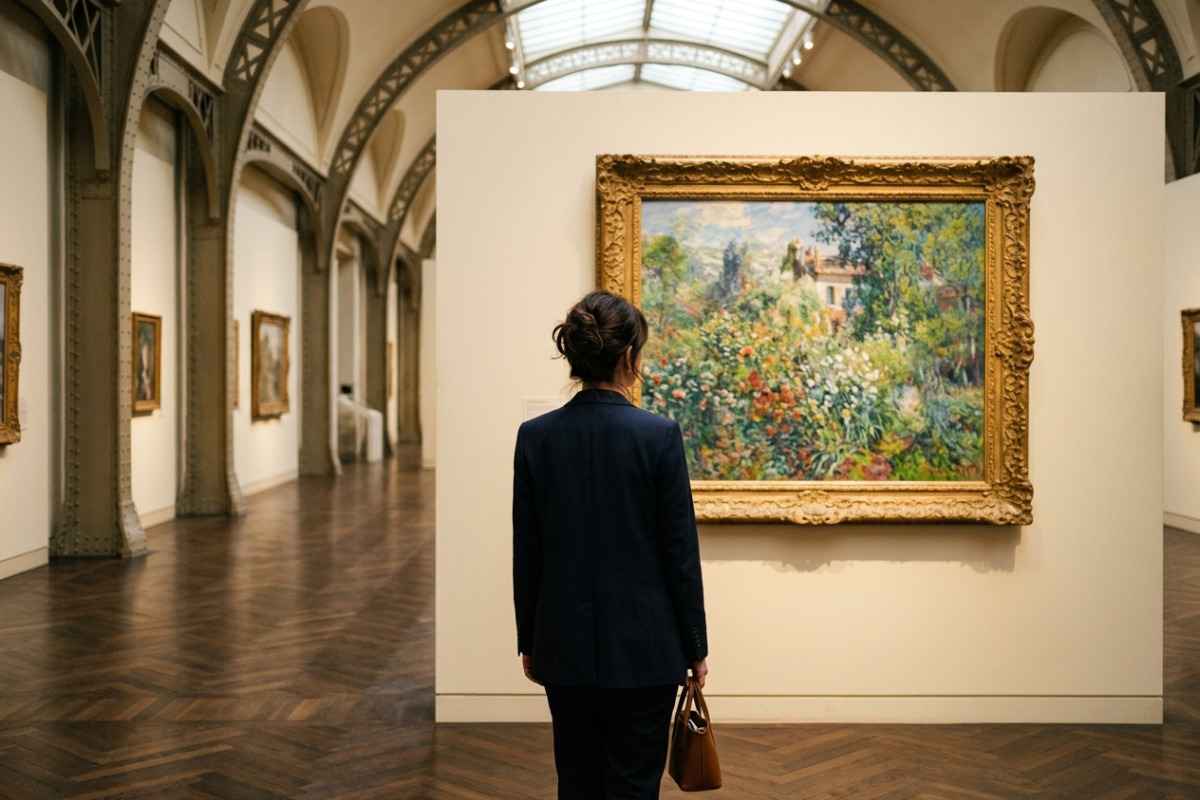
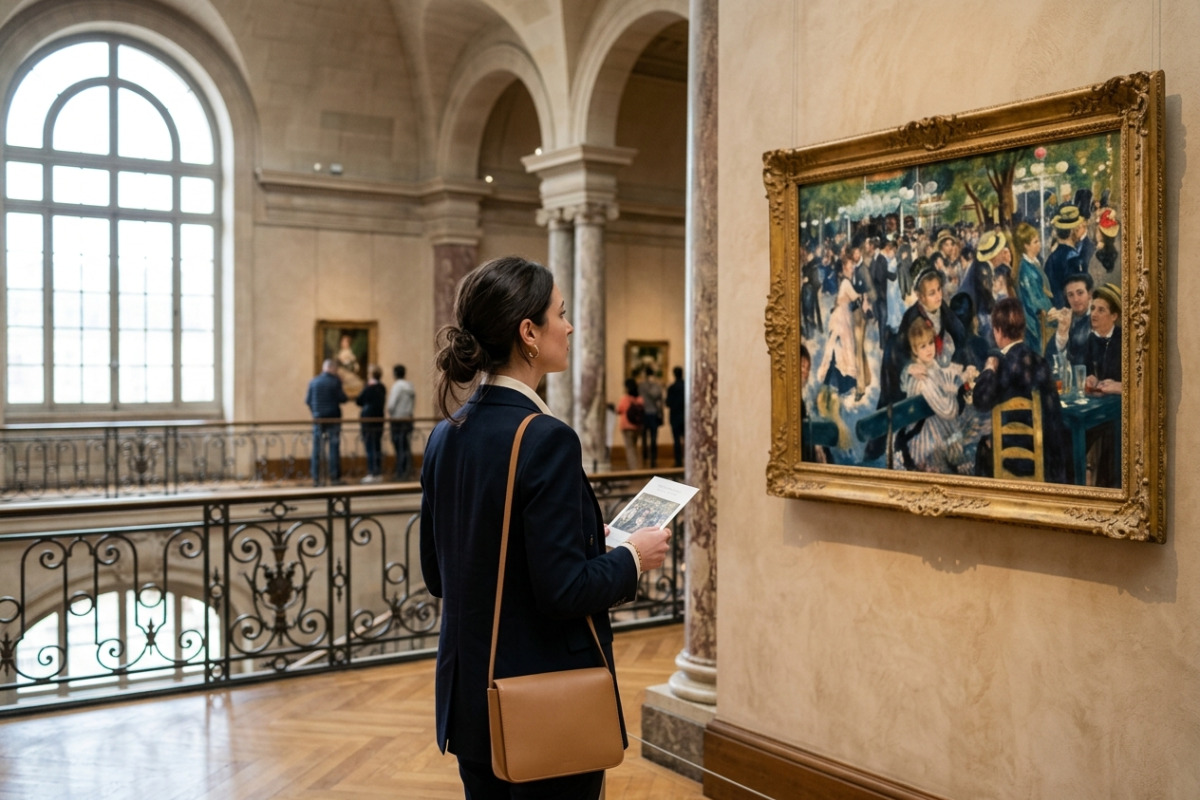
- Musée d'Orsay: Housed in a spectacular former railway station, this museum is visually stunning and easier to navigate than the Louvre. Children usually love the giant clock faces on the top floor that offer a view over the city, as well as the vibrant colors of the Impressionist paintings.
- Musée Rodin: This is an excellent choice for families because a significant portion of the collection is located in the beautiful gardens. Kids can run around and mimic the poses of The Thinker or The Gates of Hell without the strict confinement of indoor galleries.
- Centre Pompidou: The building itself, with its exposed pipes and escalators on the outside, looks like a giant toy. Inside, the Galerie des Enfants offers rotating interactive exhibitions specifically designed for children to touch, play, and create.
- Musée du Quai Branly – Jacques Chirac: This museum focuses on indigenous art and cultures from around the world. The colorful masks, textiles, and musical instruments are captivating for kids, and the outdoor gardens offer space to run around. They often have workshops geared towards families.
- The Musée de la Magie (Museum of Magic): A smaller, more specialized museum, this is a great option for something different. It's dedicated to the art of illusion and features magic tricks, optical illusions, and historical artifacts related to magic. Kids (and adults!) will be amazed.
Interactive Learning: Science and Nature
If your children need a break from oil paintings and marble statues, Paris offers incredible museums dedicated to science and natural history that are designed for high-energy interaction. The Cité des Sciences et de l'Industrie located in Parc de la Villette is a massive science museum featuring the Cité des Enfants, an interactive play area divided by age groups that encourages hands-on learning through water games, construction sites, and sensory experiments. Similarly, the Grande Galerie de l'Évolution at the Natural History Museum mesmerizes children with its dramatic parade of taxidermy animals marching through the center of the hall, accompanied by sound and light effects that simulate thunderstorms and changing days.
Strategies to Keep Children Entertained
Even in the most fascinating museums, attention spans can wane, so having a few engagement tricks up your sleeve is vital for a smooth visit. Transform the experience into a game by creating a simple scavenger hunt where kids have to find specific items, such as a dog in a painting, a sword, or a specific color. Many museums now offer audio guides specifically tailored for children, which tell stories and provide context in a fun, narrative format rather than a dry academic lecture. Another excellent tip is to bring along a sketchbook and pencils; encouraging your child to sit on the floor and draw their favorite sculpture allows them to observe closely and feel like an artist themselves.
Quick Guide to Museum Amenities for Families
Understanding the logistical differences between museums can help you pack the right gear and set the right expectations. The following table outlines what you can expect regarding amenities at major locations:
| Museum | Stroller Access | Best Feature for Kids | Vibe |
| The Louvre | Yes (elevators available) | Egyptian Antiquities & The Moat | Busy, Vast, Adventure |
| Musée d'Orsay | Yes, but can be crowded | The Giant Clock & Model City | Visual, Colorful, Manageable |
| Centre Pompidou | Excellent accessibility | Galerie des Enfants (Kids Gallery) | Modern, Playful, Interactive |
| Musée de l'Armée | Good (cobblestones outside) | Knights' Armor & Cannons | Historical, Cool, Masculine |
| Musée du Quai Branly | Yes | Colorful Masks & Gardens | Exotic, Cultural, Engaging |
| Musée de la Magie | No (stairs) | Magic Tricks & Illusions | Mysterious, Fun, Small |
Essential Logistics for Stress-Free Visits
Practical considerations can make or break your museum day, so always travel as light as possible while keeping essentials handy. Most Parisian museums require you to check large bags and backpacks, so a small crossbody bag or a tote is preferable for carrying water bottles and snacks. Speaking of food, hunger is the enemy of culture; always identify the location of the museum café or a nearby park for a snack break before you even enter the exhibit halls. Furthermore, dress your children in layers, as museums can fluctuate between warm galleries and drafty corridors, and comfortable walking shoes are non-negotiable for the cobblestone streets and hard museum floors.
The Art of Leaving Early
Perhaps the most important tip for visiting Paris museums with kids is knowing when to call it a day. It is easy to feel pressure to see everything because you have paid for tickets and traveled a long way, but pushing a tired child past their limit will only result in negative memories for everyone. If you notice signs of fatigue or crankiness, it is perfectly acceptable to skip the last wing of the gallery and head to the nearest carousel or crêpe stand instead. By ending the visit on a high note, you ensure that your children remain enthusiastic about future cultural adventures, leaving them with a lasting love for Paris and its treasures.