Paris is undeniably a visual feast, a city where every corner, cobblestone, and cornice seems designed to be immortalized through a lens. For art lovers and travelers visiting in 2026, the urge to capture the breathtaking masterpieces housed within the city’s iconic museums is almost instinctive. However, stepping into these hallowed halls with a camera requires more than just an eye for composition; it demands a keen understanding of the specific regulations that govern photography. Navigating these policies is essential not only to avoid stern warnings from security guards but also to respect the artwork and fellow visitors. Whether you are wielding a professional DSLR or the latest smartphone, knowing the ground rules ensures that your cultural exploration remains seamless and memorable.
The landscape of museum photography has evolved significantly over the last decade, shifting from strict bans to a more open, social-media-friendly approach, yet caveats remain. While many institutions now embrace the digital sharing of their collections, they strictly enforce boundaries to protect the integrity of the art and the safety of the crowds. Before you aim your lens at a Van Gogh or a Da Vinci, it is crucial to recognize that policies can vary drastically between a permanent collection and a temporary exhibition. This guide dives deep into the do’s and don’ts of capturing memories in the City of Light’s most prestigious art institutions, ensuring you leave with stunning images and a clear conscience.
The Golden Rules of Museum Photography in Paris
While each museum has its own specific charter, there are universal standards across Paris that every visitor should treat as law. The most critical of these is the absolute prohibition of flash photography in almost all indoor gallery spaces. The intense bursts of light from flashes, even those from smartphones, can cause cumulative and irreversible damage to delicate pigments, textiles, and paper. Over time, this exposure accelerates fading and chemical breakdown, robbing future generations of the artwork's original vibrancy. Therefore, disabling your automatic flash before entering a gallery is not just a rule; it is an act of preservation.
Another sweeping regulation involves the equipment you use to stabilize your shots. In the bustling corridors of Parisian museums, bulky gear is viewed as a safety hazard and an obstruction to the flow of visitors. Consequently, the following items are generally banned from gallery floors:
- Tripods and Monopods: These occupy too much floor space and create tripping hazards in crowded rooms.
- Selfie Sticks: Once a plague in tourist hotspots, these are now strictly forbidden in interiors to prevent accidental damage to artworks and injury to other patrons.
- Professional Lighting Rigs: Any external lighting equipment usually requires special permission and a media pass.
- Drones: It goes without saying that flying cameras are strictly prohibited inside and often immediately outside museum perimeters.
Snapshot Policies at the Giants: The Louvre and Musée d'Orsay
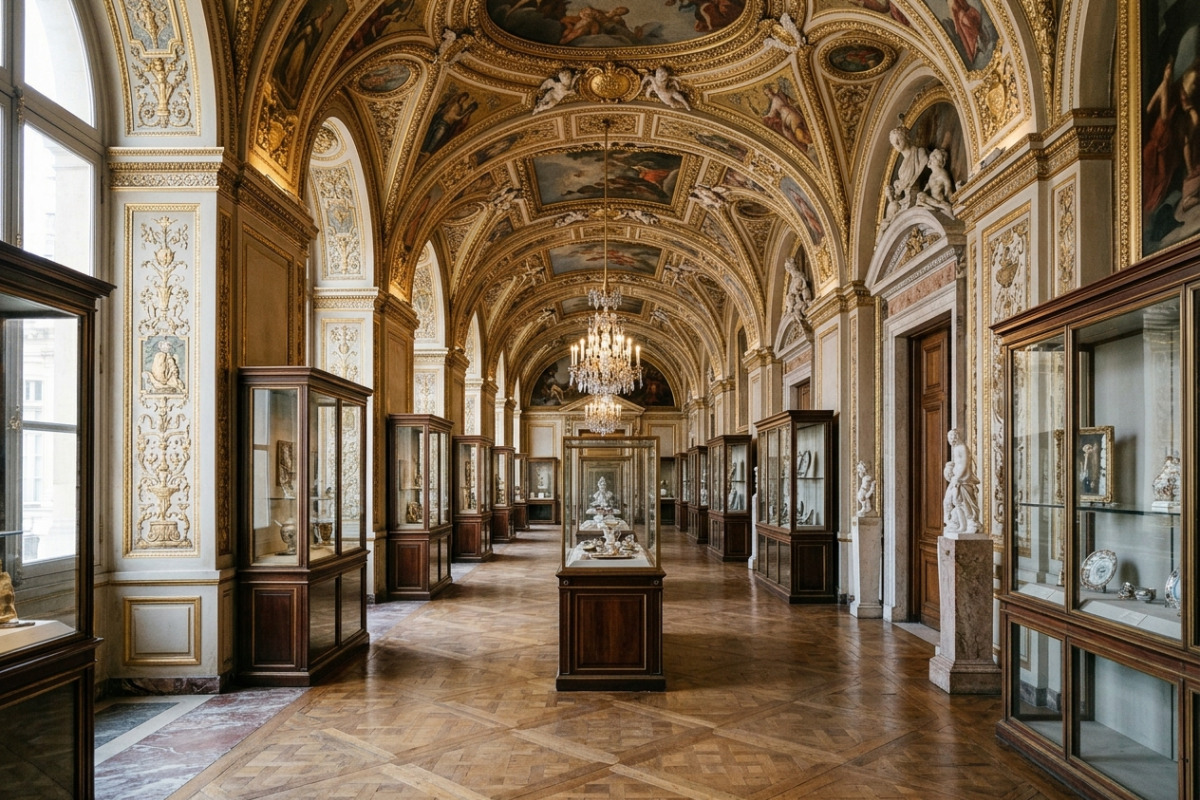
The Louvre, the world's most visited museum, generally maintains a photographer-friendly stance regarding its permanent collections. Visitors are free to photograph the vast majority of paintings and sculptures, provided they adhere to the no-flash and no-tripod rules. However, the experience of photographing the Mona Lisa is unique; expect a dense crowd and a queuing system that requires patience. While you can take a photo, the distance and the protective glass can make it challenging to get a reflection-free shot. It is often more rewarding to focus on the architectural details of the palace itself, such as the Apollo Gallery or the interplay of light under the I.M. Pei Pyramid, where photography is encouraged and yields spectacular results.
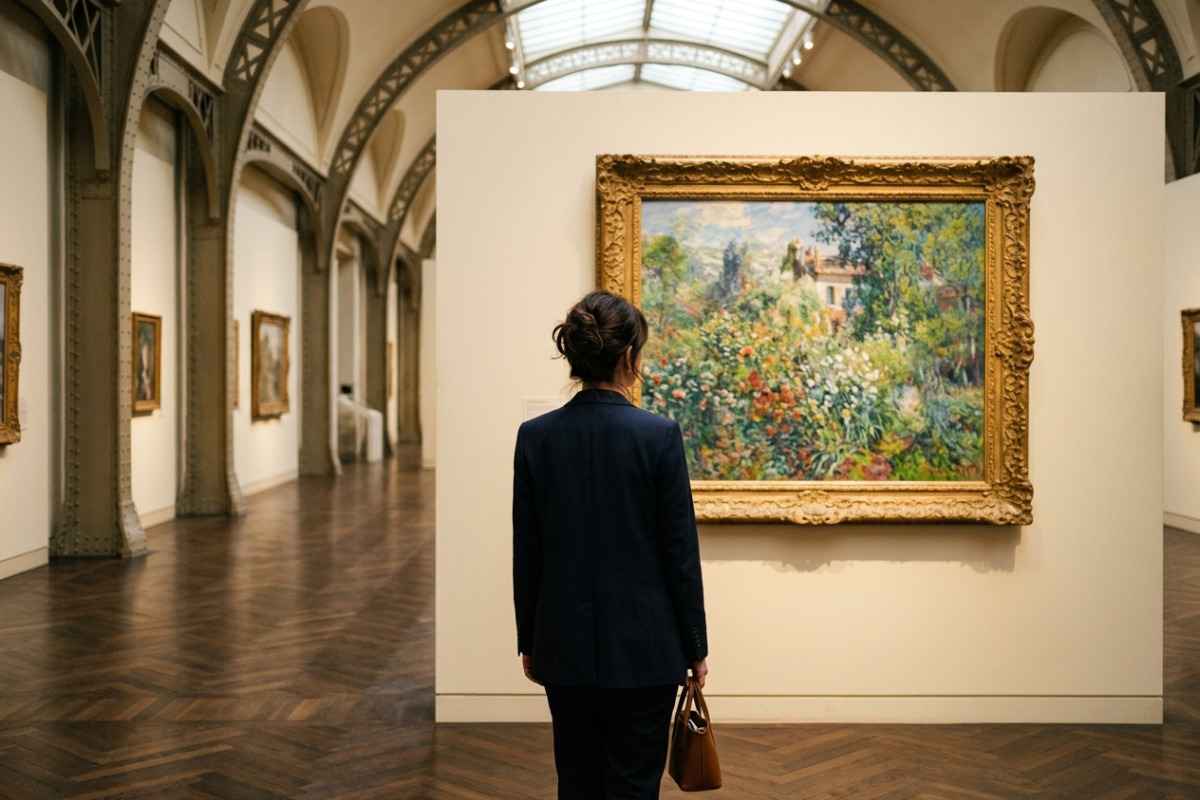
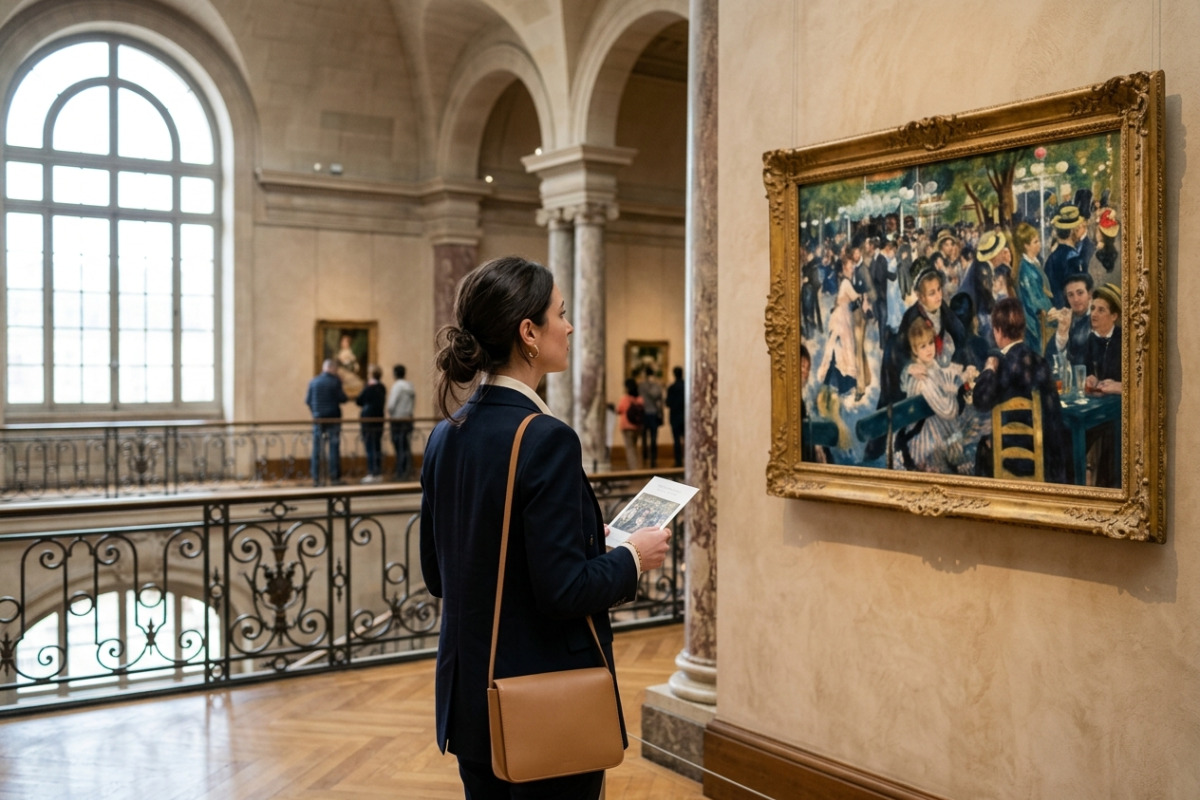
The Musée d'Orsay, famous for its impressionist masterpieces and housed in a stunning Beaux-Arts railway station, has a history of fluctuating photography rules. As of 2026, the museum allows photography of the permanent collections, a victory for fans of Monet and Renoir. However, visitors must be particularly vigilant near specific high-value loans or fragile pastel works where signs explicitly forbid cameras. One of the most photogenic spots in the Orsay is the giant clock face on the upper floor, which offers a silhouette shot against the backdrop of the Sacré-Cœur. This area is a haven for photographers, but patience is required as everyone waits for their turn to capture this iconic Parisian frame.
Navigating Temporary Exhibitions and Copyright
A major pitfall for many enthusiastic photographers is the distinction between permanent collections and temporary exhibitions. While a museum might allow you to photograph its own property, temporary exhibitions often consist of works on loan from private collectors or other international institutions. These loan agreements frequently come with strict copyright clauses that absolutely forbid photography of any kind. This is why you might find yourself freely snapping pictures in one room, only to be stopped by a guard in the very next hall.
It is vital to look for the specific signage at the entrance of each temporary gallery. The universal symbol of a camera with a red line through it is your cue to cap the lens. Ignoring this not only risks a reprimand but can also lead to the forced deletion of images. In modern art museums like the Centre Pompidou, this can be even more complex, as contemporary artists often hold the copyright to their work, and unauthorized reproduction—even for personal social media—can be a sensitive legal issue. Always err on the side of caution and ask a gallery attendant if the signage is unclear.
Quick Reference: Photography Rules at a Glance
To help you plan your visit, here is a breakdown of the general policies for some of Paris's most frequented museums. Please note that these rules apply to standard admission and can change for special events.
| Museum | Permanent Collection | Temporary Exhibits | Flash / Tripod |
| The Louvre | Allowed | Often Restricted | Strictly Banned |
| Musée d'Orsay | Allowed | Usually Banned | Strictly Banned |
| Centre Pompidou | Allowed (mostly) | Varies by Artist | Strictly Banned |
| Musée de l'Orangerie | Allowed | Restricted | Strictly Banned |
| Musée Rodin | Allowed (Gardens & Indoor) | Restricted | Strictly Banned |
Etiquette and Best Practices for the Art Photographer
Beyond the written rules, there is an unwritten code of conduct that distinguishes a respectful visitor from a nuisance. When taking photos, always be aware of your surroundings and try not to obstruct the view of others who are there to simply contemplate the art. Avoid spending excessive time in front of a single painting trying to get the perfect angle, especially in high-traffic areas. If you are using a smartphone, ensure your shutter sound is turned off or your volume is low, as the constant clicking sound can be distracting in the quiet, reverent atmosphere of a gallery.
Furthermore, be mindful of privacy when taking wide shots of gallery rooms. While French law is strict regarding the right to one's image, taking photos of crowds in public spaces is generally tolerated, but zooming in on specific strangers or museum staff without permission is considered impolite and potentially intrusive. The goal is to capture the ambiance and the art, not to document the other visitors. If you are a vlogger or creating video content, be extra conscious of your movements and avoid narrating loudly in quiet zones.
Frequently Asked Questions (FAQ)
Q: Are there any exceptions to the no-flash rule?
A: Generally, no. Flash photography is almost universally prohibited inside Parisian museums to protect the artwork. Always assume flash is not allowed unless explicitly stated otherwise.
Q: Can I use my phone to take photos?
A: Yes, smartphones are generally permitted for photography in areas where it's allowed. However, remember to disable the flash and shutter sound.
Q: What if I'm unsure about the photography rules in a specific area?
A: Always ask a museum staff member. They can provide clarification on the current policies and prevent any misunderstandings.
Q: Are there any museums in Paris where photography is completely forbidden?
A: While rare for permanent collections, some temporary exhibitions may completely prohibit photography. Always check signage at the entrance of each exhibition.
Q: Can I share my museum photos on social media?
A: Generally, yes, for personal use. However, be mindful of copyright restrictions, especially for temporary exhibitions. Avoid using photos for commercial purposes without permission.
Conclusion: Experience First, Photograph Second
Ultimately, the photographs you take in Paris museums should serve as triggers for cherished memories, not replacements for the experience itself. There is a profound difference between seeing a masterpiece through a viewfinder and observing it with the naked eye, taking in the texture of the brushstrokes and the scale of the composition. The policies in place are there to facilitate a balance where preservation, appreciation, and documentation can coexist.
By respecting these guidelines, you contribute to the protection of world heritage while still securing beautiful images of your journey. So, check your settings, leave the selfie stick at the hotel, and prepare to capture the artistic soul of Paris with respect and admiration. Enjoy the privilege of standing before history, and let your photos be a testament to the beauty you witnessed in person.