Overview
Discover the Louvre Museum in Paris
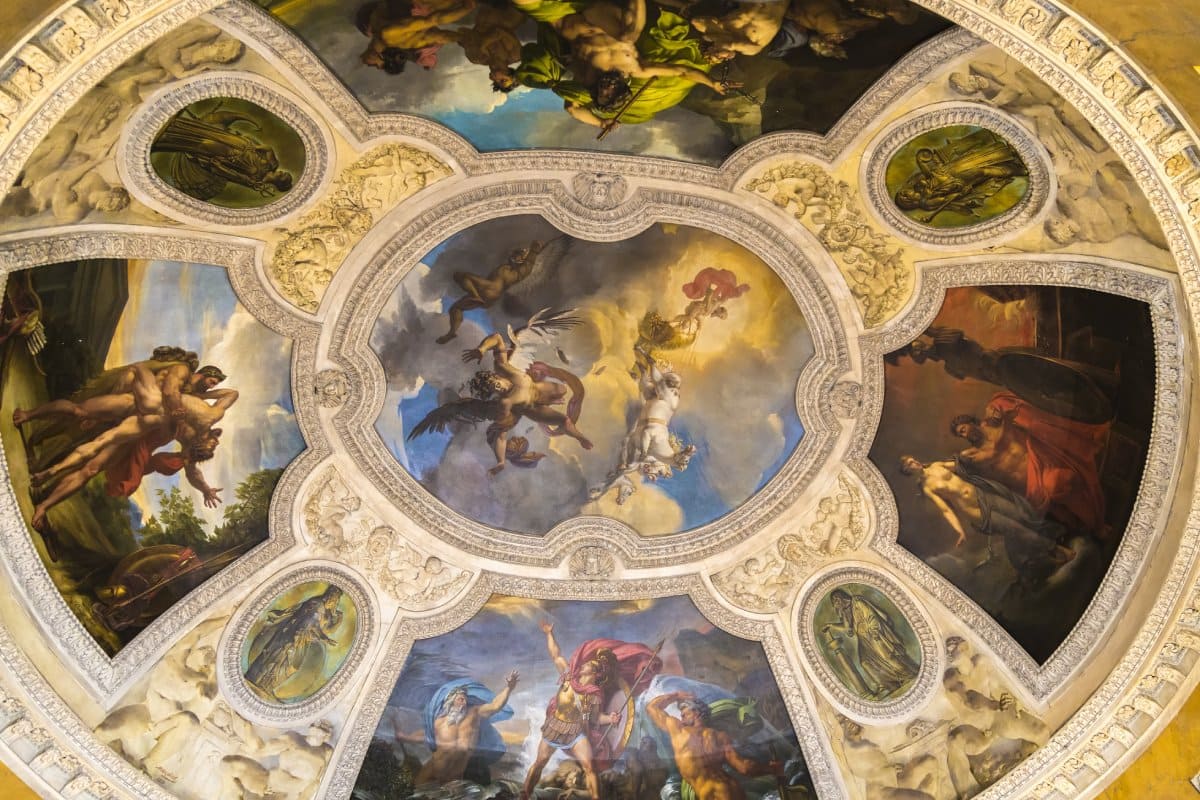
The Louvre Museum is one of the most famous cultural landmarks in the world and a must-visit attraction in Paris. Originally built as a medieval fortress, the Louvre later became a royal palace before transforming into a public museum after the French Revolution. Today, it houses an unparalleled collection of art and historical artifacts spanning over 9,000 years of human history.
World-Famous Art & Collections
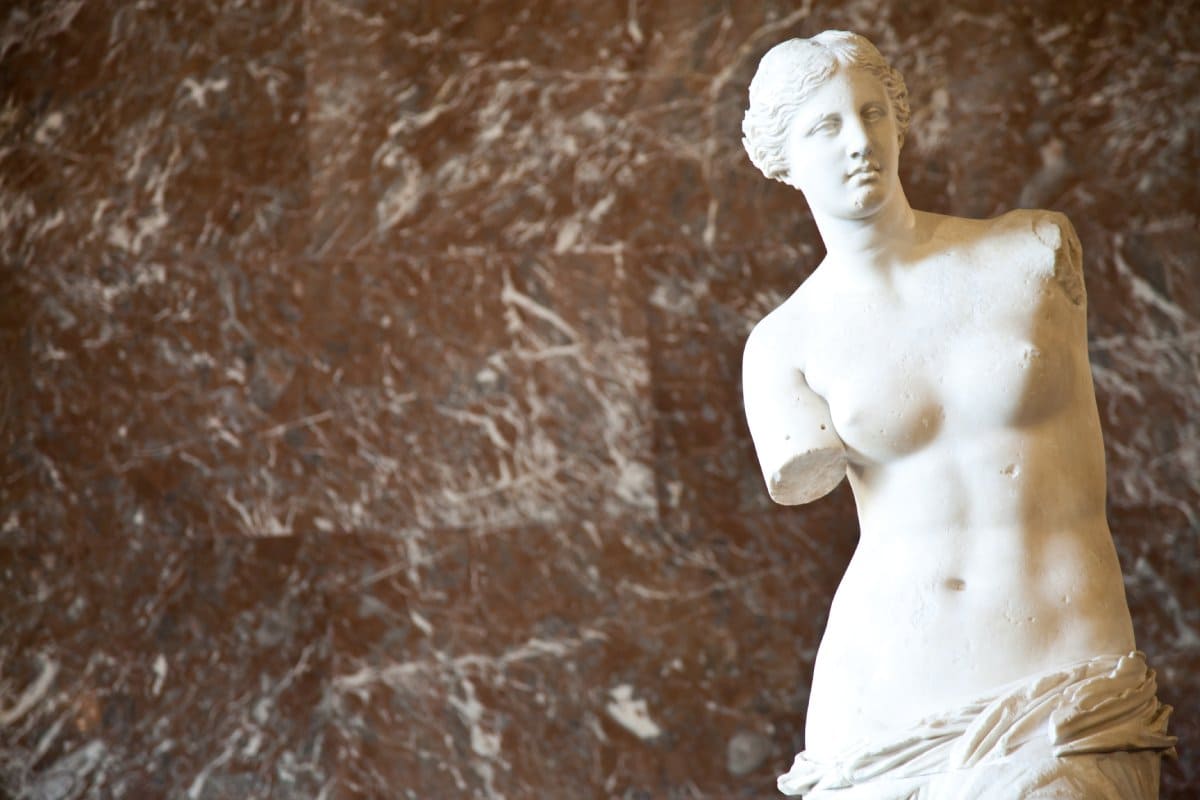
The museum is best known for legendary masterpieces such as Leonardo da Vinci’s Mona Lisa, the Venus de Milo, and the Winged Victory of Samothrace. Beyond these icons, visitors can explore extensive collections of Egyptian antiquities, Greek and Roman sculptures, Islamic art, decorative arts, paintings, and sculptures from Europe and beyond.
Architecture & The Glass Pyramid
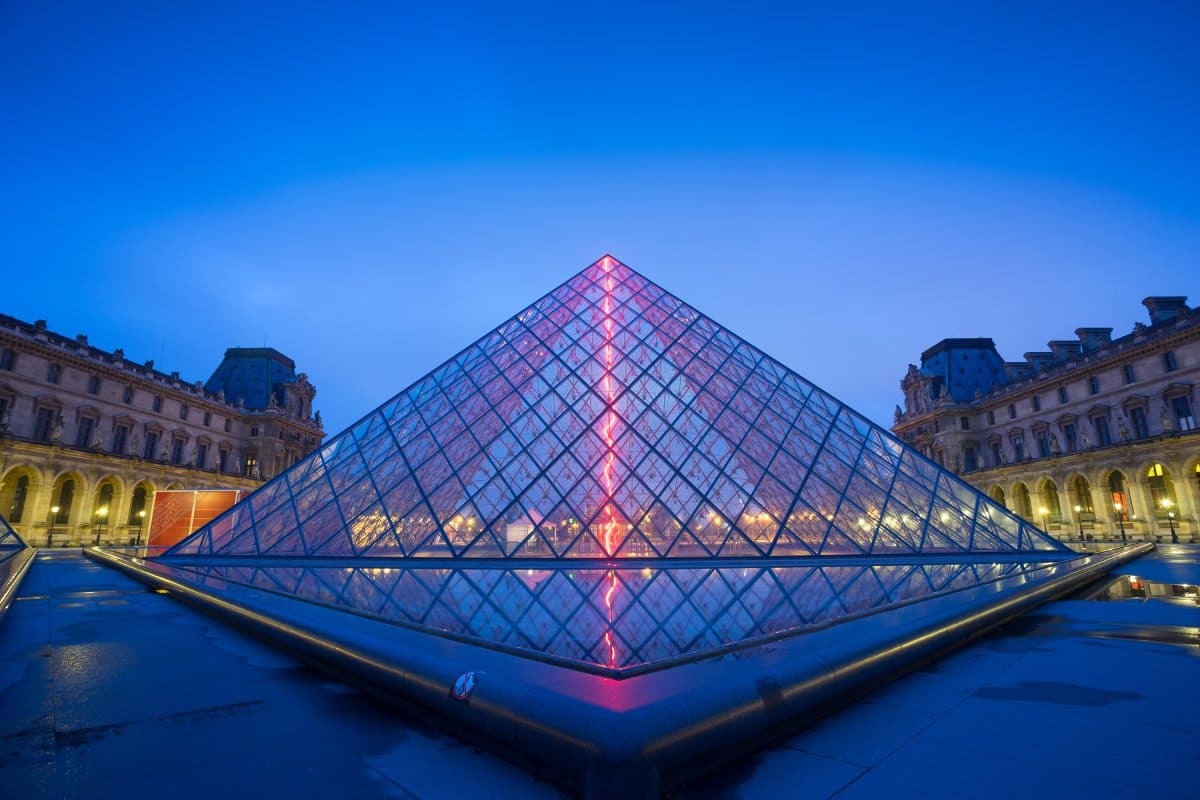
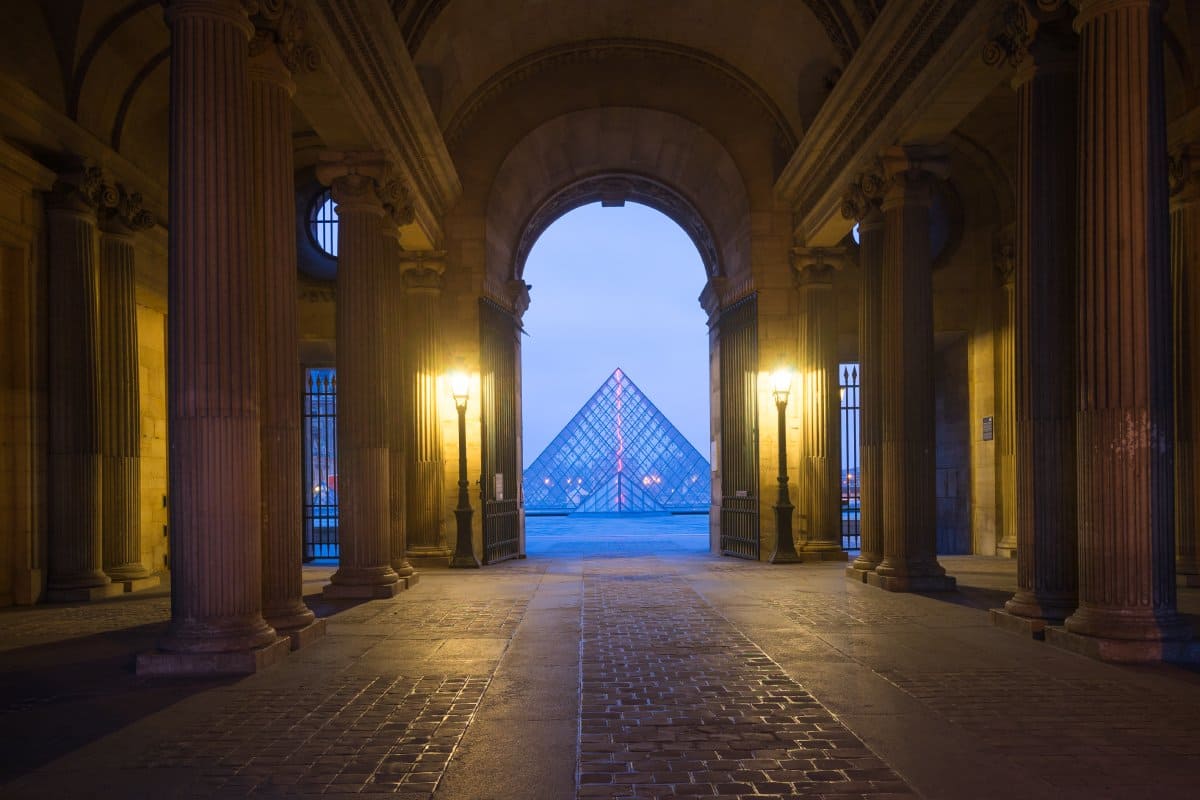
One of the most recognizable features of the Louvre is the glass pyramid, designed by architect I. M. Pei. This modern entrance contrasts beautifully with the historic palace buildings and has become a symbol of Paris itself. Inside, the museum’s vast layout is divided into three main wings: Denon, Sully, and Richelieu.
Planning Your Visit
Due to its size and popularity, planning your visit in advance is highly recommended. The Louvre can easily take several hours—or even multiple visits—to fully explore. Early mornings or late afternoons are generally quieter, while Wednesdays and Fridays often offer extended opening hours.
Why the Louvre Is Unmissable
Whether you are an art lover, history enthusiast, or first-time visitor to Paris, the Louvre Museum offers a unique journey through civilizations, creativity, and human achievement. It is not just a museum, but a cultural experience that defines Paris.
Must-See Highlights
Highlight
Home to the Mona Lisa, one of the most famous paintings in the world
Highlight
Over 35,000 artworks displayed across multiple civilizations
Highlight
Iconic glass pyramid entrance
Highlight
Three main wings: Denon, Sully, Richelieu
Highlight
Collections ranging from ancient Egypt to 19th-century Europe
Gallery