Paris is a city that feels like an open-air museum, where every corner offers a glimpse into history, art, and architectural brilliance. However, for the enthusiastic traveler landing in the French capital in January 2026, the sheer volume of cultural treasures can be overwhelming. The Paris Museum Pass is often touted as the golden key to the city, unlocking over 50 museums and monuments with a single card. Yet, simply owning the pass isn't enough to guarantee a perfect trip; you need a strategy. Without a plan, you might find yourself rushing from one site to another without truly absorbing the beauty, or worse, spending your precious holiday time stuck in transit.
To truly maximize your visit, you must move beyond the basic concept of saving money and focus on the luxury of convenience and flexibility. The pass allows you to bypass the ticket-buying queues, which can save hours during peak times, but it also encourages a style of travel that is more spontaneous and less transactional. Whether you are an art historian or a casual admirer of culture, knowing how to leverage this pass will transform your Parisian experience from a frantic checklist into a seamless journey through centuries of French heritage.
Understanding the Value Beyond the Price Tag
Many travelers make the mistake of calculating the value of the Paris Museum Pass solely based on ticket prices, but its true worth lies in the freedom it affords you. When you don't have to pay for each individual entry, you are more likely to take risks on smaller, lesser-known museums that you might otherwise skip. For instance, you might pop into the Musée des Arts Décoratifs for thirty minutes just to see a specific exhibit, or visit the Conciergerie quickly before dinner without feeling the need to spend hours there to "get your money's worth." This psychological shift allows for a more relaxed and enjoyable exploration of the city.
Furthermore, the pass acts as an incentive to keep moving and exploring, effectively gamifying your sightseeing experience in a positive way. It eliminates the friction of pulling out your wallet at every turn, streamlining the logistical side of your trip. However, it is crucial to remember that while the pass covers entry, it does not always grant immediate access to security checks or guarantee a time slot. In the current travel landscape of 2026, understanding the nuances of mandatory reservations is just as important as having the pass itself.
Top Priority Museums: Where to Start
With dozens of options available, prioritizing is essential to avoid burnout. Some locations are absolute non-negotiables that anchor your itinerary, while others can be treated as delightful additions if time permits. Focusing on the heavy hitters first ensures you see the world-renowned masterpieces, but you should approach them with a strategic mindset to avoid crowds.
The Louvre Museum: A Strategic Approach
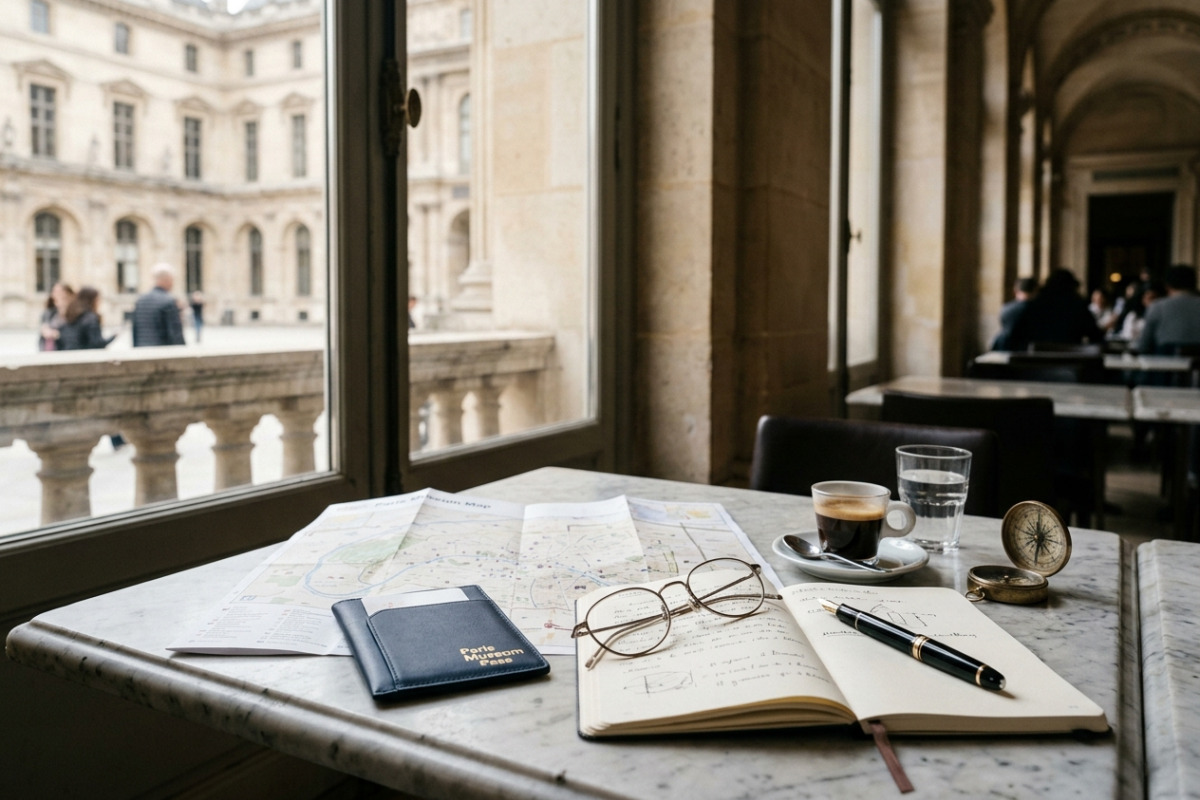
The Louvre is the crown jewel of the pass, but it requires the most planning. Even with the Paris Museum Pass, you must book a specific time slot online well in advance. Without this reservation, you will likely be denied entry, regardless of your pass status. To maximize your visit here, aim for the earliest morning slot or a late-night opening if available. Do not attempt to see everything; instead, focus on one or two wings, such as the Denon Wing for Italian masterpieces, to keep your energy levels high for the rest of the day. Consider downloading a museum map beforehand to navigate efficiently.
Musée d'Orsay: Impressionist Dreams
Located in a stunning converted railway station, the Musée d'Orsay is often a favorite among travelers for its manageable size compared to the Louvre. The pass grants you access to the world's largest collection of Impressionist and post-Impressionist masterpieces. To navigate efficiently, head straight to the top floor to see the famous clock face and the Van Gogh gallery before working your way down. This reverse-engineering of the museum flow often helps you avoid the initial bottleneck of visitors near the ground-floor entrance.
The Palace of Versailles: A Royal Day Trip
While technically outside the city limits, Versailles is included in the pass and is a must-see for its opulent Hall of Mirrors and sprawling gardens. Because it requires a travel commitment via the RER train, you should dedicate at least half a day, if not a full day, to this excursion. The pass covers the palace, the Trianons, and Marie-Antoinette’s Estate. Keep in mind that on days with Musical Fountains Shows or Musical Gardens, access to the gardens may require a separate ticket, so always check the schedule before boarding the train. Purchasing your RER tickets in advance can also save time.
Navigating Paris Efficiently
One of the biggest pitfalls for pass holders is zigzagging across the city, wasting valuable time on the Metro or in traffic. Paris is best conquered by neighborhood or "arrondissement." Grouping your museum visits geographically not only saves time but also allows you to discover the charm of the streets connecting these cultural landmarks. Walking between sites is often the best way to soak up the Parisian atmosphere.
- The Historic Center: Combine a visit to Sainte-Chapelle (famous for its stained glass) with the Conciergerie next door. Both are on the Île de la Cité. From there, it's a short walk to the Centre Pompidou for modern art lovers.
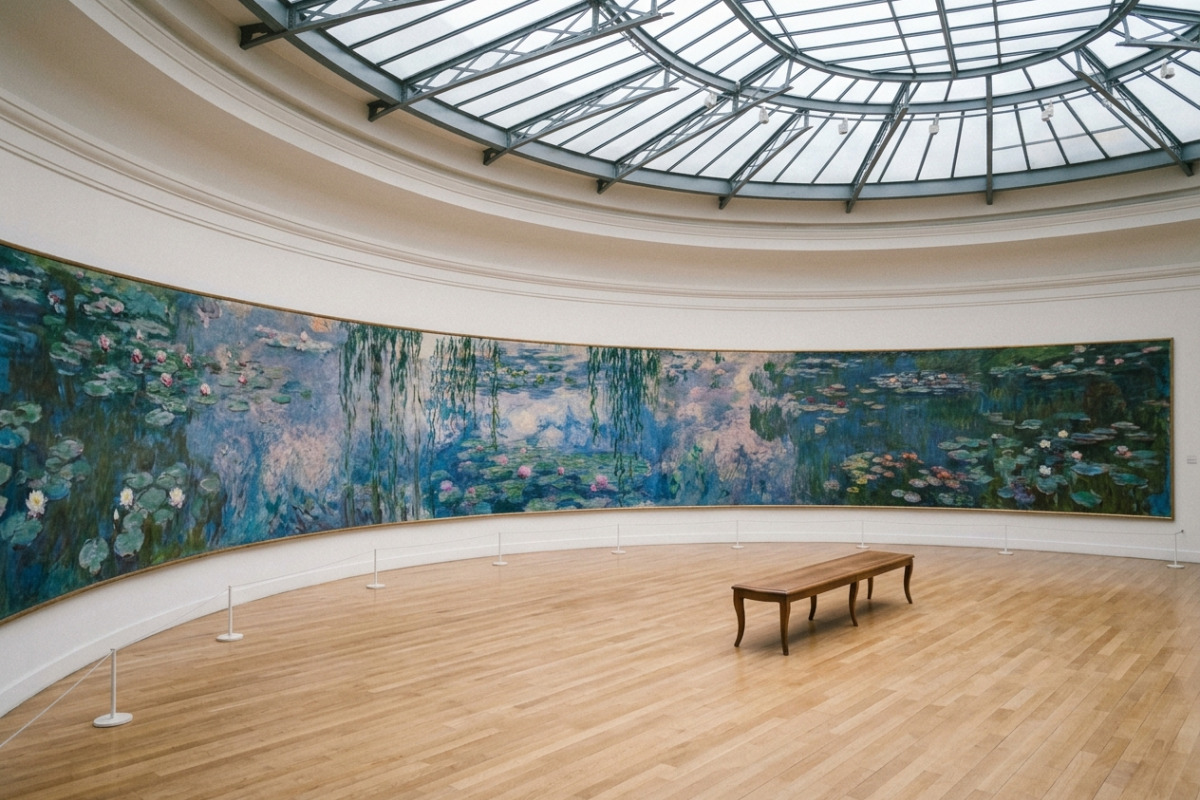
- The Right Bank Art Circuit: If you are visiting the Louvre, you are steps away from the Musée de l'Orangerie (home to Monet's Water Lilies) located in the Tuileries Garden. This duo makes for a perfect, art-filled day without needing public transport.
- The Eiffel Tower District: While the tower itself isn't in the pass, the nearby Musée du Quai Branly (indigenous art) and the Musée de l'Armée at Les Invalides (Napoleon's tomb) are excellent inclusions located within walking distance of each other.
Strategic Itineraries for Pass Holders
Depending on the duration of your pass (usually 2, 4, or 6 days), your pace will vary significantly. A two-day pass requires a more condensed, high-energy approach, while a longer pass allows for leisurely strolls and café breaks. Below is a comparison to help you structure your days effectively.
| Itinerary Type | Pace & Focus | Recommended Daily Structure |
| The "Essentials" (2 Days) | Fast-paced, High Energy. Focus on the "Big Three." | Day 1: Louvre (Morning), Tuileries Garden, Musée de l'Orangerie (Afternoon). Day 2: Musée d'Orsay (Morning), Sainte-Chapelle & Conciergerie (Afternoon). |
| The "Explorer" (4 Days) | Balanced, Cultural Immersion. Includes hidden gems. | Day 1: Louvre & Decorative Arts. Day 2: Versailles (Full Day). Day 3: Orsay & Rodin Museum. Day 4: Panthéon, Cluny Museum & Arc de Triomphe (Evening). |
Hidden Gems You Shouldn't Miss
While the blockbusters get all the attention, the Paris Museum Pass shines brightest when used to unlock lesser-known treasures. The Musée Rodin, set in a beautiful mansion with a sculpture garden, offers a peaceful retreat from the city noise. Similarly, the Musée de Cluny (National Museum of the Middle Ages) houses the exquisite "Lady and the Unicorn" tapestries in a setting that includes ancient Roman baths. These spots rarely require reservations and offer a more intimate connection with French history.
Another fantastic inclusion is the Arc de Triomphe. Many travelers admire it from the ground, but the pass allows you to climb to the top for one of the best panoramic views of Paris. Timing your visit for sunset allows you to watch the city light up, including the sparkling Eiffel Tower in the distance. Since it stays open later than most museums, it is the perfect way to cap off a day of sightseeing.
Practical Tips for a Smooth Experience
To ensure your trip goes off without a hitch, you need to be aware of the logistical quirks of Parisian museums. First and foremost, check the closing days. The Louvre is closed on Tuesdays, while the Musée d'Orsay and many others are closed on Mondays. This alternating schedule can ruin a short trip if you aren't careful. Always align your pass activation with the days your top-priority museums are actually open.
Security checks are a reality of modern travel and cannot be skipped, even with a pass. At major sites like Versailles and the Louvre, security lines can still take 30 minutes or more. Travel light—leave large backpacks and suitcases at your hotel, as many museums will not allow them or will force you to queue for the cloakroom. Finally, activate your pass strategically. The validity period is based on consecutive hours or days starting from the first scan. If you scan your pass at 4:00 PM on a Monday, that counts as your first day. It is always smarter to start your first scan early in the morning to maximize that first day of usage. Consider downloading museum apps for interactive maps and exhibit information to further enhance your experience.