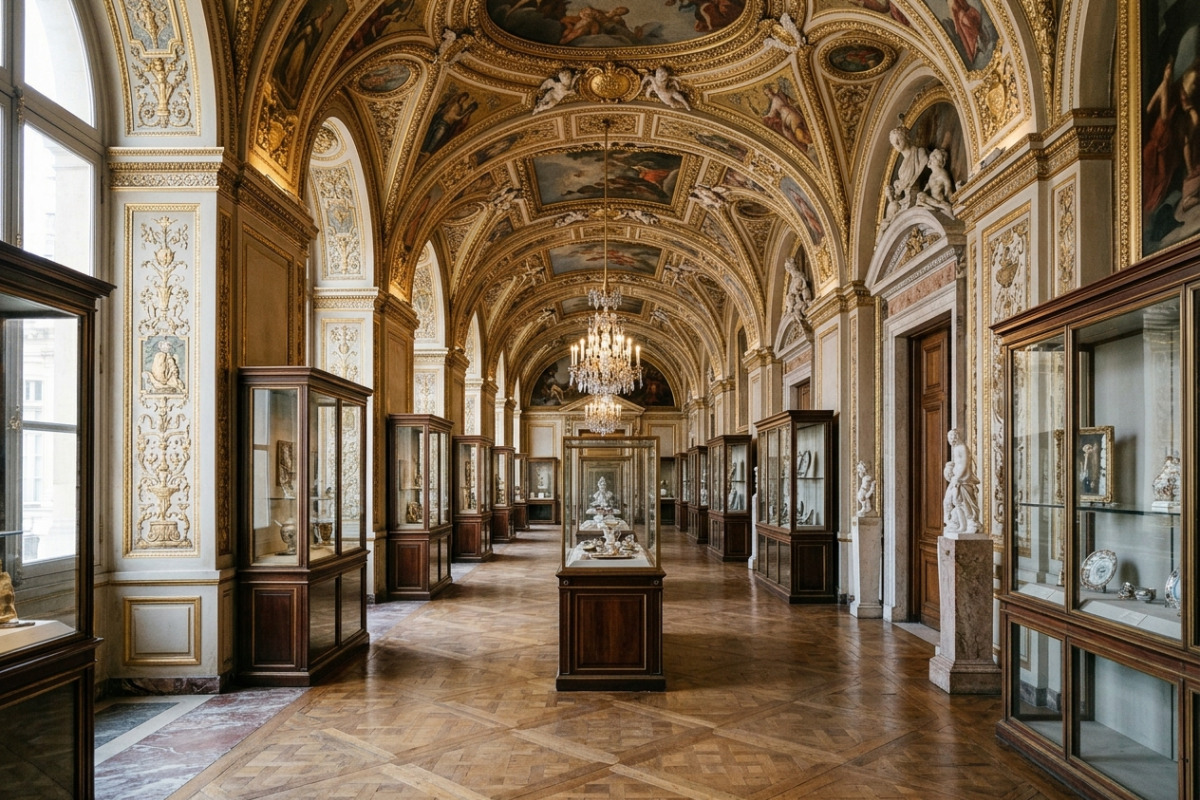
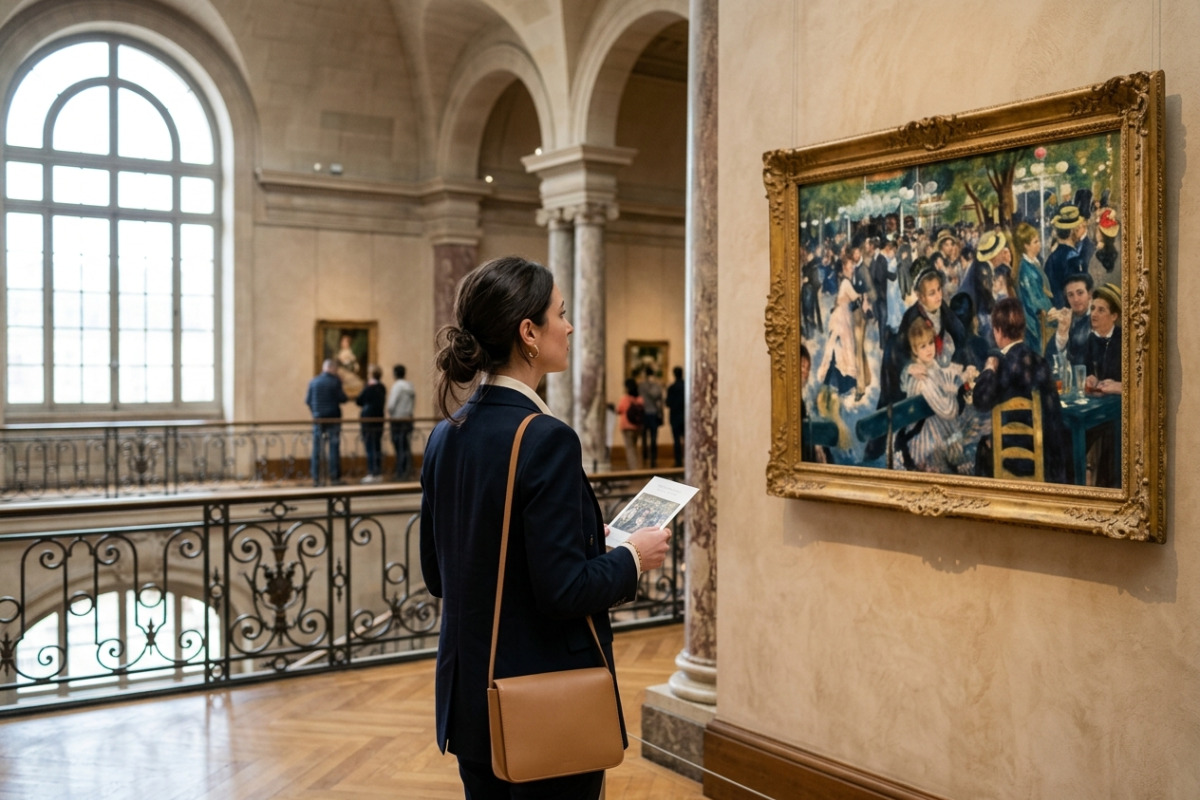
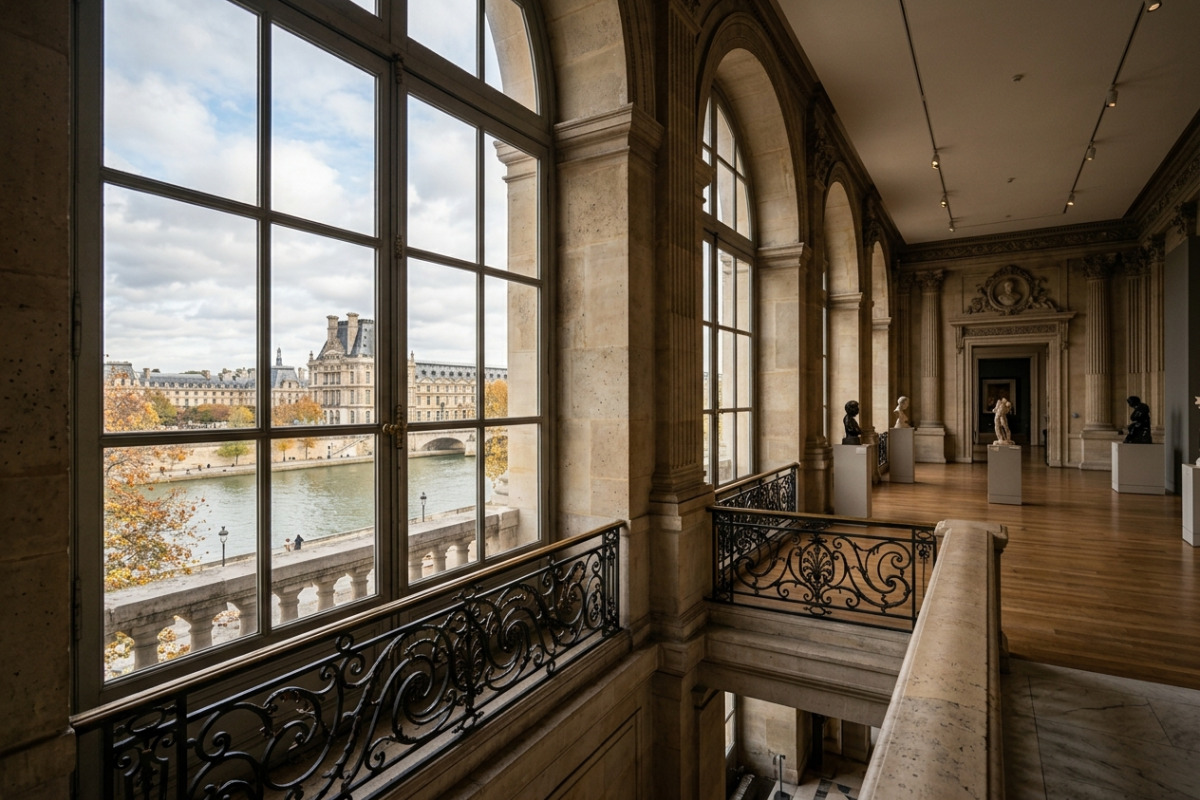
The Louvre, one of the most iconic museums globally, has a rich history that dates back to the late 12th century. Initially constructed as a fortress by King Philip II, it has undergone several transformations over the centuries. This incredible evolution from a royal palace to a public museum reflects not only the changing tastes of art and culture but also the broader historical transformations in France.
The transition began in the 16th century when King Francis I turned the fortress into a royal residence. During this period, the Louvre became a significant center for the arts, attracting artists and intellectuals from across Europe. The museum's journey officially started during the French Revolution when the Louvre was declared a public museum in 1793. This marked a pivotal moment in its history, allowing the general public to access the art that had previously been confined to the royal court.
The Architectural Evolution of the Louvre
The architecture of the Louvre itself is a testament to its transformation. Throughout its history, the museum has seen multiple architectural styles and renovations. Notable contributions include:
- Medieval fortress structures
- Renaissance wings, such as the Cour Carrée
- Classicism displayed in the grand façade
- Modern additions including the glass pyramid by I. M. Pei
This blend of styles not only showcases the Louvre's evolution but also mirrors the artistic movements that have influenced France through the centuries.
Key Historical Milestones
Several key milestones stand out in the transformation of the Louvre:
| Year | Event |
| 1190 | Construction of the fortress by King Philip II |
| 1546 | Francis I begins the Renaissance transformation |
| 1793 | Louvre opened as a public museum |
| 1989 | Glass pyramid entrance inaugurated |
Each of these milestones reflects significant cultural shifts in France, shaping the identity of the Louvre as a beacon of art and history.
Art Collections at the Louvre
Today, the Louvre's vast collection includes over 380,000 objects, showcasing works from ancient civilizations to the mid-19th century. Some of the most notable pieces include:
- The Mona Lisa by Leonardo da Vinci
- The Venus de Milo, an ancient Greek statue
- The Winged Victory of Samothrace
- Liberty Leading the People by Eugène Delacroix
The diversity of collections makes the Louvre not only a museum but a historical narrative of human creativity and expression.
Visitor Experience and Educational Role
The Louvre serves a vital role in education and cultural exchange. It offers guided tours, exhibitions, and workshops, making art accessible to a broader audience. Additionally, virtual tours have expanded its reach beyond Paris, allowing people worldwide to experience its treasures.
As the Louvre continues to evolve, it remains committed to being a space for art, education, and community engagement. Its blend of history, architecture, and art makes it a unique institution that reflects the changing tides of society.
Conclusion
The transformation of the Louvre from a royal palace to a public museum encapsulates centuries of history and cultural evolution. This journey mirrors the broader changes in France and resonates with art lovers and historians around the globe. As we look to the future, the Louvre will undoubtedly continue to adapt while preserving its rich legacy.